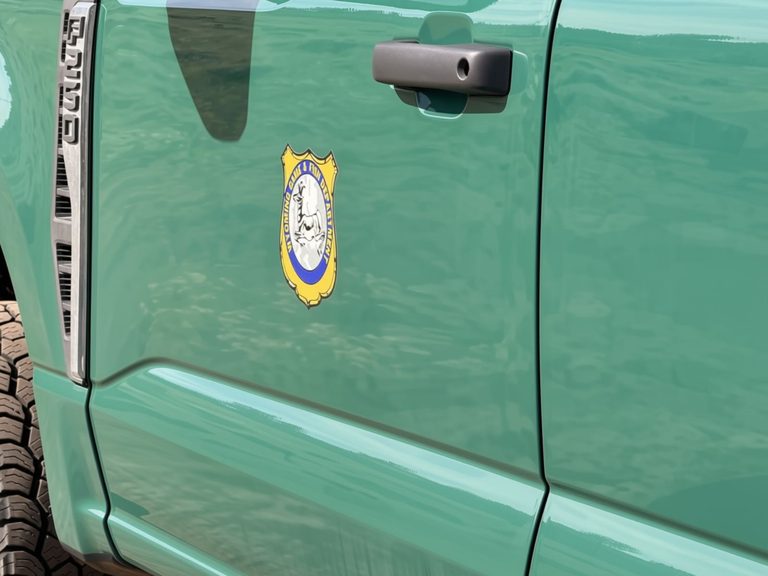
Anyone heading home after a day on the Wyoming backcountry should be prepared to pull into a Wyoming Game and Fish Department (WGFD) check station. The law requires every hunter and angler to stop, and the agency says compliance is essential for both safety and the long‑term health of the state’s wildlife.
Why the stop matters
WGFD biologists work year‑round, not just during hunting season. Data they collect at check stations feed into the science that sets season dates, bag limits and harvest quotas. When you present a sample for chronic wasting disease (CWD) testing, share observations about animal sightings, or simply answer a few questions, you are directly contributing to the research that keeps Wyoming’s hunting traditions thriving.
What to expect at the station
When you pull up, staff will typically ask for the following:
- License check: Have your valid hunting licenses, conservation stamps and any special management permits ready for inspection.
- Biological data collection: If you harvested an animal, officials will record species, sex, age and antler or horn measurements. They may also take tooth samples to verify age.
- Disease sampling: To monitor for chronic wasting disease, staff might collect lymph node or tissue samples when available.
- Short interview: Even an empty truck will prompt a brief conversation about the hunt area, wildlife sightings and overall experience. This information helps managers balance herd health with hunting opportunities.
Compliance protects everyone
Beyond data collection, the stop is a final checkpoint to ensure hunters are following state law. Missing a required stop can result in citations or more serious penalties. By stopping, you demonstrate respect for the rule of law—a cornerstone of the freedoms we cherish in Wyoming.
Supporting Wyoming’s outdoor legacy
The state’s outdoor economy depends on healthy wildlife populations and responsible hunting practices. WGFD’s check stations are a practical, low‑cost tool that lets hunters play an active role in stewardship. When hunters and anglers cooperate, the state can maintain robust deer, elk, antelope and waterfowl numbers for future generations.
Tips for a smooth stop
To keep the process quick and courteous, have all paperwork organized, be honest about your harvest, and answer questions succinctly. Staff are there to help, not to hinder, and most stops take only a few minutes.
Wyoming’s vast public lands are a shared heritage. By obeying the check‑station requirement, hunters and anglers honor that heritage, support scientific research, and help ensure that the state’s hunting seasons remain strong and sustainable for years to come.
Original reporting: K2 Radio (Casper) — read the source article.