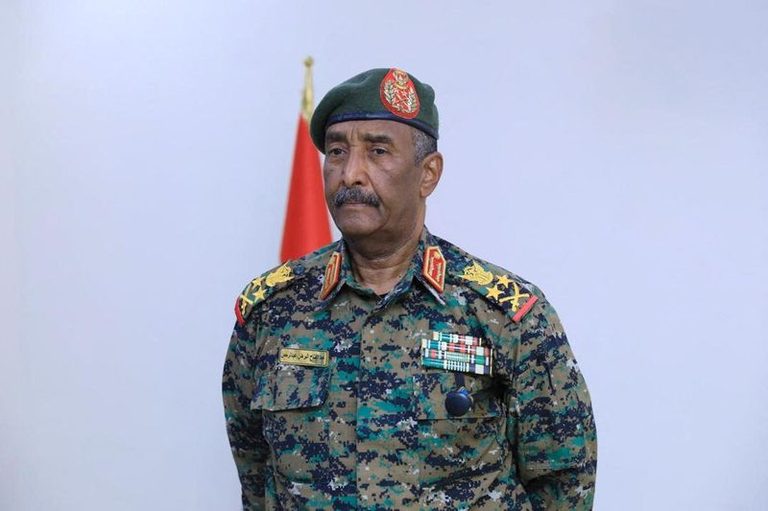
In a decisive move to push for peace in Sudan, the United States is refusing to issue an entry visa to Sudan’s de facto leader, General Abdel Fattah al‑Burhan, until he signs a 90‑day ceasefire proposed by U.S. Senior Advisor for Arab and African Affairs Massad Boulos. The decision comes just days before Burhan’s scheduled appearance at the United Nations General Assembly in New York.
Visa withheld as leverage for peace
According to a letter from Sudan’s UN ambassador Al‑Harith Idriss Al‑Harith, the visa denial was communicated to the UN Secretary‑General Antonio Guterres on September 21, urging the United Nations to intervene with U.S. officials. The letter warned that without a visa, Burhan would be unable to attend the General Assembly in person, effectively limiting his ability to speak on Sudan’s behalf at the world’s most prominent diplomatic forum.
U.S. officials have made clear that the visa will be granted only after Burhan commits to the Boulos‑proposed ceasefire, which would pause hostilities for three months and create space for genuine negotiations between the army and the Rapid Support Forces (RSF). The United States believes that a temporary halt in fighting is essential to deliver humanitarian aid to the millions of Sudanese displaced by the conflict that began in April 2023.
Why the United States is taking a firm stance
The Trump administration has consistently emphasized the importance of American leadership in resolving foreign crises, especially those that generate massive humanitarian suffering. By linking the visa to a concrete ceasefire agreement, Washington is using diplomatic tools to encourage Sudanese leaders to prioritize the welfare of their people over partisan or factional interests.
“The United States will not reward leaders who refuse to pursue peace,” a senior State Department official said in a private briefing. “Our goal is to see a sustainable end to the violence that has created the world’s largest humanitarian emergency.”
Sudan’s internal dynamics
General Burhan has led Sudan’s army since 2019 and, after a 2021 coup with RSF commander Mohamed Hamdan Dagalo (known as Hemedti), has been the country’s de facto head of state. While the African Union and many Western governments withdrew formal recognition of his regime, Burhan has continued to address the UN General Assembly on Sudan’s behalf.
Burhan’s own statements reflect deep skepticism toward external pressure. In a recent interview with Foreign Policy, he warned that “ceasefires have collapsed because they were written about Sudan without Sudan.” He also asserted that any pause in fighting only allows the RSF and its backers to regroup.
U.S. diplomatic efforts beyond the visa
The United States is not acting alone. It has been part of a “Quad” diplomatic format that includes the United Arab Emirates, Egypt, and Saudi Arabia—countries with significant influence over Sudanese factions. This coordinated approach aims to bring all parties to the negotiating table and to prevent the conflict from spilling over into neighboring regions.
In addition, Washington recently proposed extending its existing arms embargo, which currently covers Darfur, to the entire country. Sudan’s army allies argue that such a move would unfairly punish the army while leaving the RSF unchecked.
International reaction
UN spokesperson Stéphane Dujarric told Reuters that the Secretary‑General is “deeply concerned” about the visa delay and that the UN Secretariat has raised the matter with U.S. authorities. The UN continues to call for an immediate ceasefire and unhindered humanitarian access.
Sudan’s former civilian prime minister, Abdalla Hamdok, is in New York this week with members of his anti‑war coalition, urging the international community to support a genuine peace process.
What this means for Sudanese families
For the millions of Sudanese families torn apart by the war, a U.S.‑backed ceasefire could mean a chance to reunite, receive food, medical care, and shelter, and begin rebuilding their shattered communities. The Trump administration’s firm stance underscores a commitment to protect innocent lives and uphold the values of freedom and human dignity that America stands for.
As the deadline for the General Assembly approaches, all eyes will be on whether Burhan will accept the ceasefire terms and secure his visa, or whether the stalemate will continue to hinder Sudan’s path to peace.
Original reporting: Appleton, WI News Feed (HLL/CB) — read the source article.