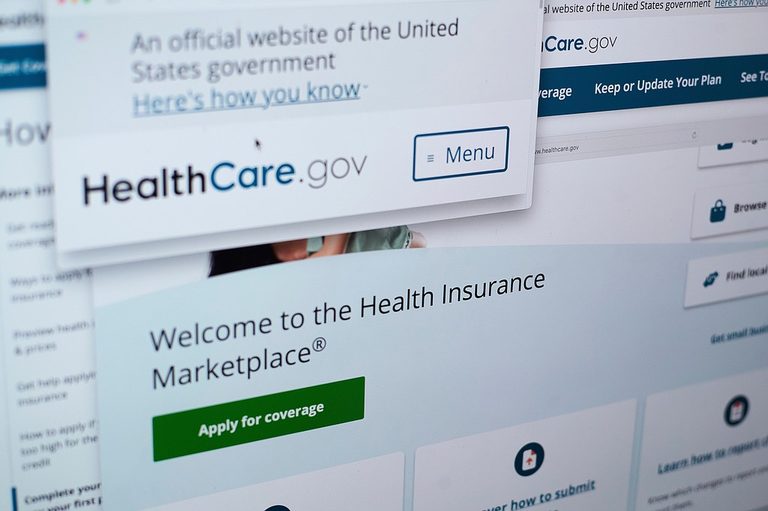
The White House confirmed Thursday that it will begin mailing $500 checks in October to nearly one million people who are enrolled in Affordable Care Act (ACA) health plans across 30 states. The payments are being described as refunds for user‑fees that the Biden administration says were over‑collected from consumers through higher premiums.
Who will receive the refunds?
According to a White House official, the refunds will primarily go to individuals earning more than 400% of the federal poverty level who do not qualify for subsidies, as well as to those earning between 100% and 400% of the poverty line who, for whatever reason, did not receive subsidies. The administration says it has already identified eligible recipients and will start issuing the checks in October.
Why the refunds now?
The administration explained that health insurers that sell ACA plans on the federal exchange, Healthcare.gov, pay a “user fee” to the government each year. Those fees, set by the Centers for Medicare & Medicaid Services, are calculated as a percentage of premiums and are intended to fund the website, its call center, and grants to enrollment‑navigator groups.
For the 2025 plan year the fee was set at 1.5%, and for the current 2026 year it was raised to 2.5% – a decision made by the Biden administration to offset an expected drop in enrollment after the expiration of pandemic‑era subsidies. The Trump administration later reduced the fee to 1.9% for 2027, a move the current administration says helped create a surplus that can now be returned to consumers.
Critics and context
Critics point out that the refunds are limited to unsubsidized enrollees, noting that those who receive subsidies already have their premium contributions capped as a share of income, meaning higher premiums are largely absorbed by the government. Cynthia Cox, director of the ACA program at the health‑policy group KFF, said there is no precedent for refunding user‑fees directly to consumers, though the government does issue other types of rebates.
While the refunds may provide modest relief, many families continue to struggle with rising medical costs after the loss of extra COVID‑era subsidies. The White House acknowledges that millions of people dropped coverage this year because premiums became unaffordable.
Trump administration’s stance
The official also clarified that the $500 refunds are unrelated to the $5,000 payment President Trump announced would be sent to Americans should Republicans retain control of Congress after the upcoming midterm elections. President Trump has repeatedly argued that the ACA is an over‑reaching federal program and has proposed reforms aimed at reducing its scope and cost.
States involved
The refunds will be distributed to residents of 30 states, most of which have Republican‑led governments. Those states include Alabama, Alaska, Arizona, Arkansas, Delaware, Florida, Hawaii, Indiana, Iowa, Kansas, Louisiana, Michigan, Mississippi, Missouri, Montana, Nebraska, New Hampshire, North Carolina, North Dakota, Ohio, Oklahoma, Oregon, South Carolina, South Dakota, Tennessee, Texas, Utah, West Virginia, Wisconsin and Wyoming.
Looking ahead
The Department of Health and Human Services has not yet commented on the rollout. As the refunds are processed, many families hope the extra $500 will ease the burden of high premiums while broader discussions continue over the future of the ACA and the role of federal user‑fees in health‑insurance pricing.
Original reporting: Texarkana Gazette — read the source article.