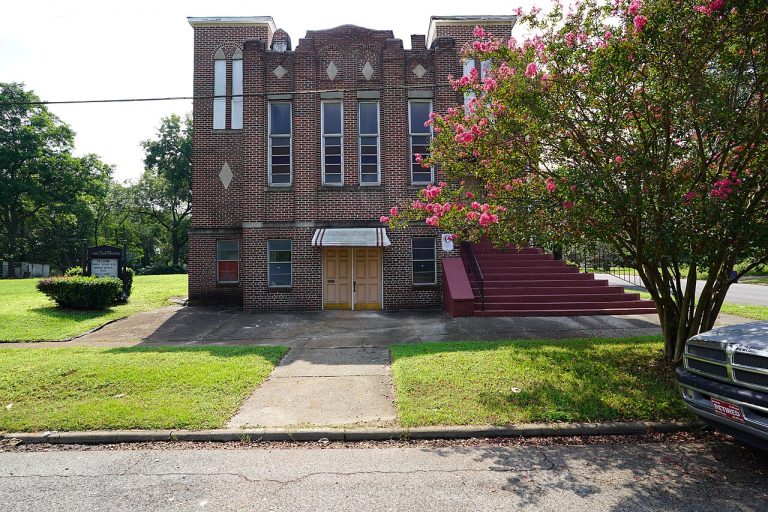
There are places in Arlington that stop you mid-stride and remind you that you are standing on ground with genuine, layered history — and Mosier Valley is exactly that kind of place. Tucked along the eastern edge of Arlington near the Euless border, this quiet stretch of land along Mosier Creek carries a story that most Texans have never heard, and once you know it, you will want to walk every inch of it.
Mosier Valley was one of the earliest free Black communities established in Texas after emancipation. Formerly enslaved people settled here in the 1870s, built homes, churches, and schools, and created a self-sustaining neighborhood that thrived for decades. The community eventually dispersed as highways and development reshaped the landscape, but the land itself holds the memory. Archaeological surveys have uncovered foundations, artifacts, and evidence of daily life that paint a remarkably vivid picture of resilience and ingenuity in post-Civil War North Texas.
The city of Arlington has worked to memorialize and interpret the site, and a visit today means walking a modest but meaningful trail system that winds through cedar and hardwood along the creek corridor. Interpretive signage along the path shares photographs, oral histories, and contextual information about the families who called this valley home. It is the kind of place where you slow down naturally, where the hum of nearby traffic fades and something older takes over.
The trail itself is accessible and relatively flat, making it suitable for most fitness levels. Plan for a leisurely ninety minutes to two hours if you want to read every sign and soak in the surroundings. Morning visits are especially rewarding — the light filters low through the trees, birds are active along the creek, and you will often have long stretches of the path entirely to yourself. Bring water, wear comfortable shoes with some grip, and consider packing a small notebook. More than a few visitors have told me they ended up sitting on a bench along the creek just thinking for a while. That response feels entirely appropriate.
What makes Mosier Valley stand apart from a typical park trail is the weight of what it represents. This is not a recreated attraction or a curated museum environment — it is actual ground where real families built real lives under extraordinary circumstances. Walking it feels like an act of acknowledgment, and that is a rare thing to find on a Saturday afternoon in the middle of the Metroplex.
Arlington is rightfully proud of its entertainment profile, but Mosier Valley represents something the city is increasingly committed to honoring: its full history, including the chapters that took time to recognize. If you are looking for a meaningful, unhurried experience that combines nature, local history, and genuine reflection, make the drive out to the eastern edge of the city. The valley has been waiting a long time to be seen.