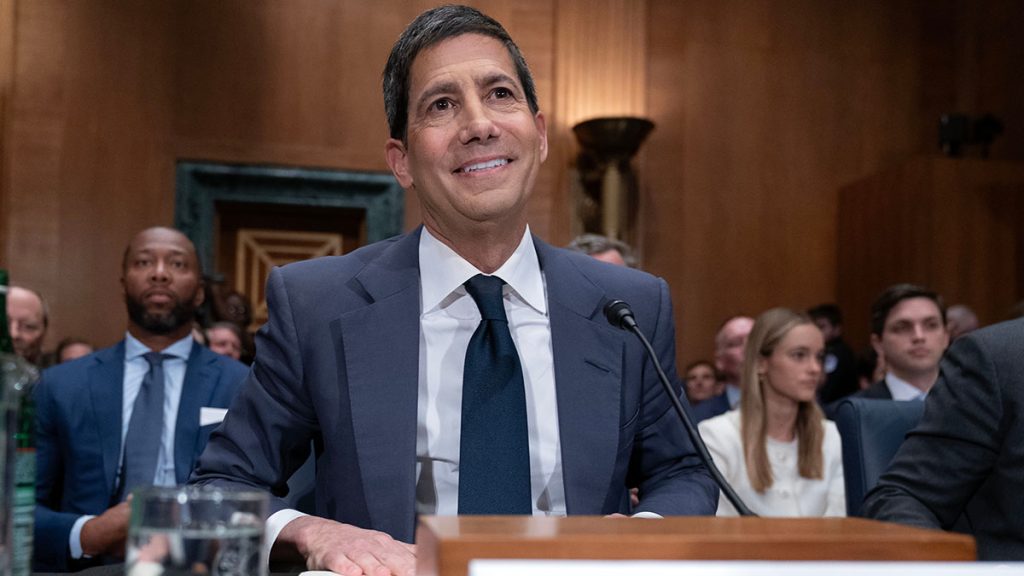
Kevin Warsh, 56, a former Federal Reserve governor, is stepping into the chair role at the Federal Reserve in Washington as the central bank faces a raft of tests—from stubborn inflation and market jitters to political scrutiny from both parties. This piece looks at Warsh’s background, the economic headwinds he’ll confront, the expectations from conservative policymakers and markets, and why Fed independence and plainspoken policy will matter now more than ever.
Warsh arrives with a resume that includes service on the Fed’s board and time in both government and finance, a mix that some view as an asset and others as a liability. Conservatives will watch to see whether his experience translates into a steady hand or more of the technocratic instincts that many blame for past policy mistakes. Either way, he inherits a central bank whose credibility was tested by the pandemic-era response and the aftermath.
The immediate problem on the table is inflation that has refused to bow to optimism. Price pressures have eroded household budgets, hit small businesses and reshaped voter attitudes, making monetary policy a political issue as much as an economic one. From a Republican perspective, the priority is clear: prevent inflation from becoming entrenched without crushing job growth or penalizing entrepreneurship.
Interest-rate policy is Warsh’s main tool, and it’s blunt. Raising rates can slow demand and cool prices, but go too far and you tip markets, knock out marginal businesses and spike unemployment. Warsh will need to balance those risks while communicating clearly so markets don’t misread intentions and trigger unnecessary volatility.
Banking-sector stability is another live concern; recent surprises in regional banks showed how quickly confidence can wobble. The Fed’s role in supervising banks and backstopping liquidity will be under scrutiny, especially from Republicans who want accountability, tighter oversight where needed, and fewer moral hazards. Lawmakers on the right will press for policies that protect taxpayers and promote diligence rather than bailouts.
Then there’s fiscal policy, which often gets short shrift in Fed discussions but matters enormously to monetary outcomes. Massive deficits and loose spending increase the burden on the Fed to fight inflation, so Republicans will argue Warsh must signal clearly that monetary restraint can’t be offset by endless fiscal largesse. The Fed can’t solve fiscal profligacy; it can only respond to its consequences.
Communication will be as important as action. Markets crave clarity, and mixed signals have in the past produced damaging whipsaws. Warsh can help by setting simple, measurable criteria for rate moves, explaining the tradeoffs plainly and rebuilding trust with investors, businesses and everyday Americans. That kind of transparency aligns with conservative calls for accountability and reduces the political heat.
Independence is another headline topic. The Fed must resist partisan pressure while remaining democratically accountable. Conservatives often worry that a centralized bank can drift into policy activism that looks more like fiscal policymaking than careful interest-rate management. Warsh will be judged on whether he defends the Fed’s insulation from short-term politics while keeping policy realistic and grounded.
Markets will react fast and hard to early signals from a new chair. Volatility could spike around the first few speeches, the initial set of economic projections and any early votes on rate moves. That’s why many on the right want Warsh to prioritize stability and predictability: lower surprises mean lower risk for savers, pension funds and small businesses trying to plan ahead.
Expectations from Republican lawmakers will be firm. They will push for a central bank that fights inflation, supports a healthy labor market and avoids policies that mask underlying fiscal problems. At the same time, they’ll demand transparency about emergency lending, regulatory relief where warranted and adherence to a rule-bound approach rather than discretionary overreach.
Warsh’s tenure will be judged not just on numbers but on how he talks about the economy and the Fed’s role in it. A straightforward, accountable style can rebuild confidence and re-center debate on growth, price stability and personal liberty rather than theoretic experimentation. For conservatives, the ideal outcome is a Fed that protects savings and investment while nudging policymakers toward fiscal responsibility.