Connecticut health officials say the state has confirmed its first case of clade I mpox in a traveler who recently returned from Western Europe, while the World Health Organization is watching new hantavirus reports in Spain and France; the CDC and WHO are both involved in tracking these developments and the JYNNEOS vaccine is being urged for those at risk.
Connecticut Department of Public Health investigators linked this clade I mpox infection to recent travel in Western Europe, and officials are monitoring contacts and testing to limit any spread. The Centers for Disease Control and Prevention has long warned that clade I infections have historically been more severe, so public health teams are treating this as noteworthy without overhyping the risk. Local health leaders want the facts out fast to keep people informed and to prevent panic.
Health officials stressed that the case “does not pose a risk to the general public,” but they also emphasized targeted prevention for people who might be exposed. That balance — clear reassurance paired with practical precautions — is how officials hope to avoid unnecessary alarm while protecting vulnerable groups. Messaging focuses on sensible steps like vaccination, awareness of symptoms, and prompt testing for anyone concerned.
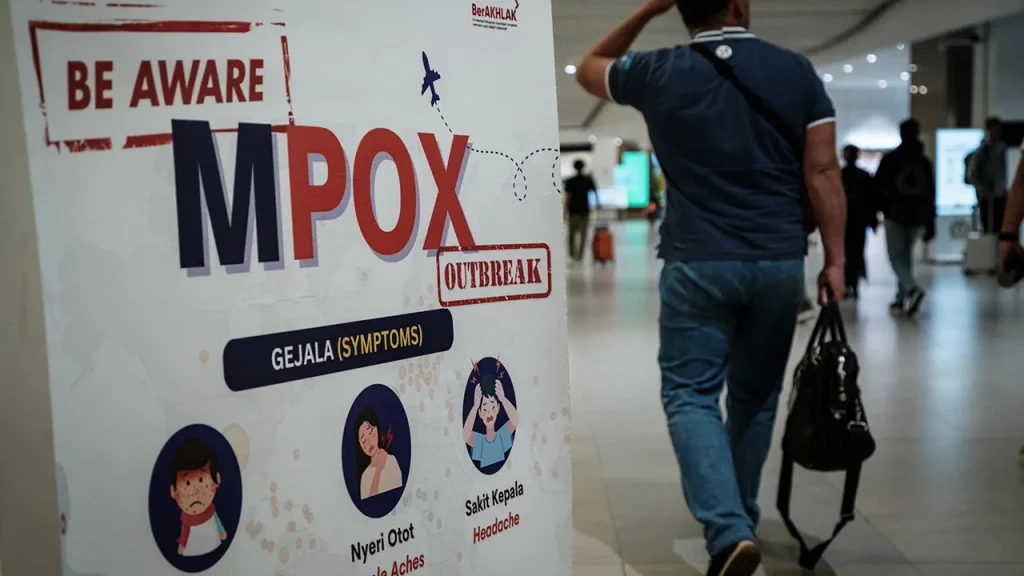
Mpox symptoms can include fever, swollen lymph nodes and a characteristic rash, and anyone with these signs after travel or exposure should seek medical advice without delay. Clinicians are reminded to consider mpox in their differential diagnoses, especially for patients with rash and relevant travel or contact history, since early detection helps prevent complications. The JYNNEOS vaccine remains the primary preventive tool recommended for people at higher risk of exposure.
Dr. Manisha Juthani, Connecticut’s CDPH Commissioner, has been outspoken about keeping communities safe while allowing normal summer activities. She said, “Mpox hasn’t gone away, and we want people to be protected, especially as many in our community prepare for travel, festivals, and gatherings this summer,” and urged completion of the recommended vaccine schedule. Her message is practical: use available tools like a two-dose vaccine to lower personal and community risk as travel picks up.
Clade I and clade II are genetically distinct, and investigators use that genetic information to shape public health responses and risk assessments. Clade I, historically identified in Central Africa, has been associated with more severe illness and higher mortality in past outbreaks, while clade II, tied mainly to West Africa, has generally caused milder disease. Those distinctions matter for triage, clinical care expectations, and how aggressively contacts are traced.
Meanwhile, the World Health Organization has flagged new hantavirus cases in Spain and France, reminding people that rare diseases still pose real dangers. Hantavirus infections tend to come from contact with infected rodents, and while cases are uncommon, the respiratory complications can be severe and sudden when they do occur. Public health advice focuses on rodent control, avoiding exposure to droppings or nesting sites, and seeking care quickly for respiratory symptoms after possible exposure.
Travel and large gatherings create pockets of risk where multiple infectious threats can intersect, so officials are urging layered prevention rather than single fixes. Vaccination where recommended, sensible hygiene, early testing for symptoms, and avoiding known exposures combine to reduce community spread. Public health teams continue surveillance and genomic testing to catch unusual patterns early and to guide targeted interventions.
For individuals, the practical takeaway is simple: know the symptoms, get vaccinated if you are in an at-risk group, and see a clinician if you suspect exposure or illness. Health systems remain on alert, and both the CDC and WHO are coordinating information and guidance so clinicians and the public can act quickly. Staying informed and taking modest precautions will keep most people safe while health agencies work to limit any broader impact.