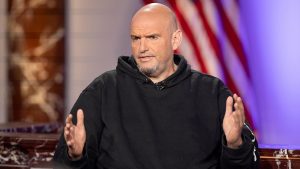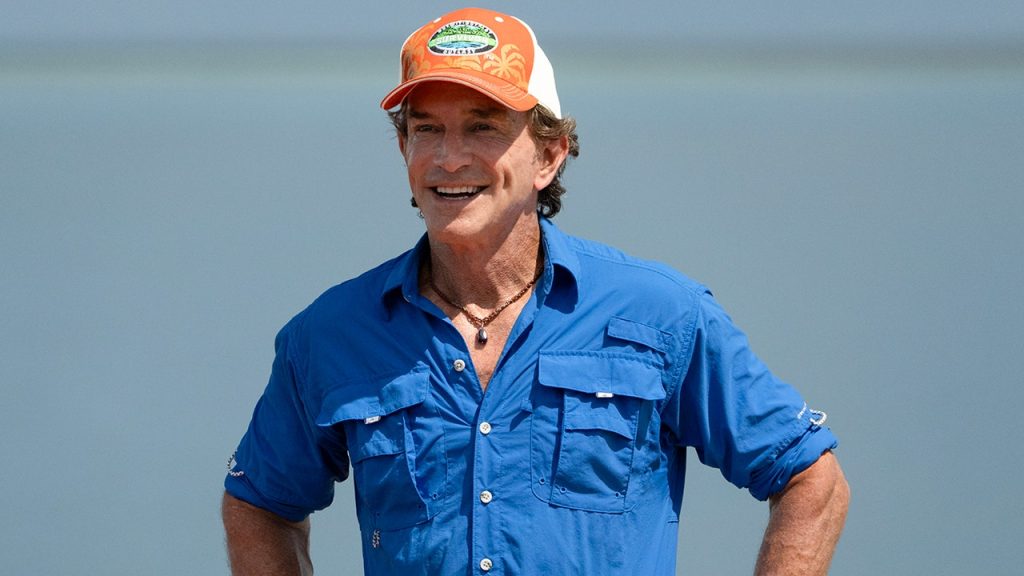
Jeff Probst defends the bold choices on Survivor 50, standing by new twists and a celebrity panel that included Jimmy Fallon, Billie Eilish, MrBeast and Zac Brown during the Fiji shoots. Cirie Fields and Parvati Shallow pushed back after seeing a star guest get airtime, and executive producer Mark Burnett weighed in on why the show sometimes needs a reset.
Probst says the franchise is intentionally restless, pushing boundaries instead of resting on nostalgia. “We experiment with all kinds of new ideas, and we tried to usher in the most unpredictability we’ve ever had,” he said, insisting the season was built to surprise viewers rather than placate them. He added, “Whether or not you like the season is subjective, but it’s not that something didn’t work. We’ve made bad choices in the past. I just don’t think we did in 50.”
One of the biggest shocks was a celebrity panel that helped invent new twists and even sent guests onto the island, which is where Zac Brown’s appearance became a lightning rod. Cirie Fields admitted the shock of seeing a familiar face on the beach: “We’re in a bubble. So to walk out on the beach and see Zac Brown standing in front of me, it’s like, ‘How did you get in?'” She said the presence of an outsider signaled that the season would be chaotic in ways old Survivor rarely was.
Brown’s visit turned into social media fodder when he spearfished to help immunity winners and then sat and played music for them while they ate, a loose and human moment that some fans loved and others disliked. He also popped up in confessionals and appears to have enjoyed more screen time than a few competitors, which fed conversations about fairness in the edit. Parvati Shallow didn’t hold back, noting, “They showed [Brown] catching the fish, and then they didn’t show Ozzy catching one.”
Looking back, Probst said he would not overhaul the season because of backlash, though he admitted Zac Brown might have been better used to influence the game rather than act solely as a reward. He pushed back hard on the idea that a wave of criticism from former players or non-players should shape production choices. “It’s fascinating to me that a couple of people, most of them either former players or people who will never play, criticize the show, and it gets momentum,” he said.
Probst made it clear the production team will not rewrite history because a vocal group demands it. “I tell anyone who wants to listen: If that’s your goal, to somehow impact our point of view, it will fail. We trust what we’re doing. If you think we’re going to re-edit because you thought there was too much Zac Brown, you’ve not been reading interviews with me.” He added a more personal line that frames his stance: “I couldn’t be more serious. I love ‘Survivor.’ I love joy. I love fans. I’ve also got a backbone. It’s gonna take more than that to knock me over.”
Probst’s attachment to the show goes back to the very start in 2000, and over the years he’s fought to keep the game true to its best instincts while steering it away from toxic spectacle. “I didn’t like the stories we were telling, and I was losing my joy of the format, therefore my joy of the job, therefore my joy of life,” he said, explaining why he pushed for changes. He made clear that the program should not reward sheer meanness: “I didn’t want vitriol and who can be the meanest, most spiteful person.”
There was a moment when Probst considered walking away, telling colleagues he was “done” with the gig, but Mark Burnett intervened and pushed for a different solution. Probst said it took some convincing before the network agreed to give him a greater creative role. “CBS was initially horrified. They didn’t want stars to be given showrunner status,” Probst said. “But I was so argumentative and sure that it was the right thing to do that I convinced them.”
That shift behind the scenes, Probst believes, was pivotal for the show and for his own career. “It was the best move I’ve made in my career,” he said, describing how taking responsibility changed the creative balance. Burnett himself has framed Survivor as a kind of behavioral test: “If someone works for you, can you fire them and have them shake your hand after?” he asked, pointing to the unusual dynamics the game creates.
Burnett also touches on the tricky moral engine of the show, where players vote each other out and then must reconcile on a jury for a million-dollar prize. “At ‘Survivor,’ you’re voting people out — firing them every week — then you’re asking the very people you fired to give you $1 million. That’s a tricky thing to do.” That tension, he suggests, is what keeps the format compelling even when it evolves into unpredictable territory.