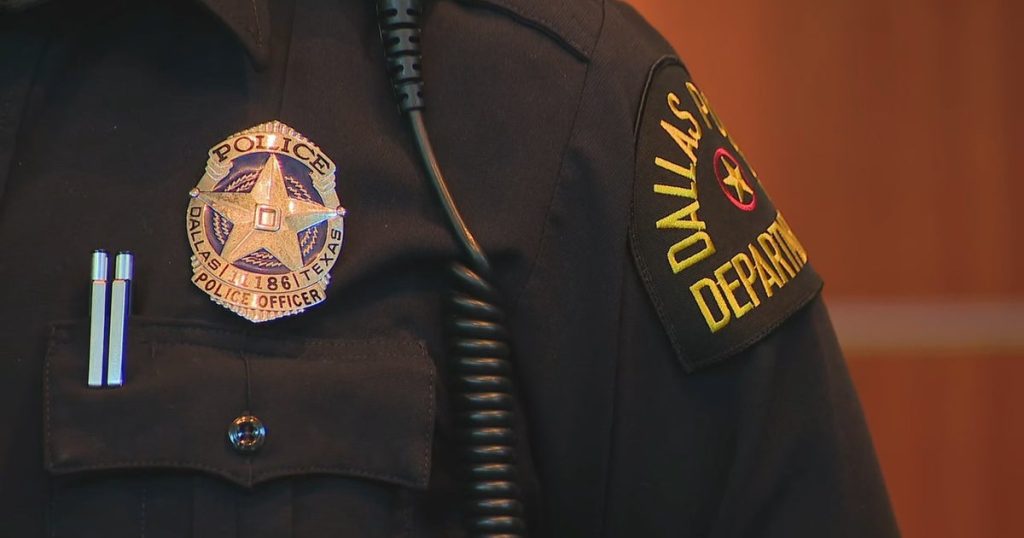
Dallas officials and the Community Police Oversight Board responded after an impostor, identified as Diamon Robinson using the alias Mike King, slipped into RollKall, the platform officers use to take off-duty jobs; the breach exposed gaps that let him pose as a hiring officer and land a security gig for Congresswoman Jasmine Crockett during her Senate bid. The episode led the department to change how off-duty work is approved and who can post jobs, and it raised questions about how the impostor moved through other vetting systems. This article walks through what happened, the policy changes the Dallas Police Department is rolling out, and the remaining questions about outside platforms like Illuno and RollKall.
The intruder used falsified law enforcement credentials to create a business account on RollKall and then impersonated a police officer to verify that account, giving him a foothold in a system meant to connect officers with legitimate off-duty work. That access let him advertise jobs and appear legitimate to other officers on the scheduling platform. Once inside, the impostor could behave like a supervisor and hire officers for events, a loophole that investigators say should not have been possible.
Officials say Diamon Robinson, who operated under the name Mike King, had a lengthy criminal history but still managed to navigate the platform’s verification long enough to secure real assignments. One of those assignments put him in close proximity to Congresswoman Jasmine Crockett while she campaigned, which intensified scrutiny of the vetting that allowed his access. The situation exposed both a technical flaw in the scheduling app and a human gap in verification practices.
In March, Dallas investigators served a warrant related to the impersonation charge, and the encounter ended when Robinson allegedly pointed a gun at officers and was fatally shot. That violent confrontation brought the digital breach into a stark, real-world crisis and pushed the department to act quickly on policy changes. The aftermath has been about tightening access and preventing a repeat of that chain of failures.
On Tuesday night the Community Police Oversight Board reviewed the Dallas Police Department’s new approach for the RollKall system, and the rules are notably stricter. All off-duty job requests now need department approval before they can move forward, and only the department’s secondary employment team or personnel trained and authorized by that team may post listings. Those steps are meant to stop false businesses or impostors from creating accounts and hiring officers under false pretenses.
“Before we would vet a specific location. So, if a business wanted to hire officers for a specific occasion, we’d check the business, make sure it meets certain requirements at that location. Now we check the job itself. Not only just the location, but also the event. Like the event itself, what you’re asking officers to do and all those things. So yes, each individual job is now scrutinized much closer than it used to be,” said Dallas Police Lt. Jonathan Blanchard.
There are still unanswered questions about how the impostor got through other processes, including some that allowed him near a congressional campaign, and Dallas officials admit the paths he used aren’t fully clear. Reports indicate Robinson tried to join Illuno, another off-duty recruitment service, but did not pass Illuno’s identity verification, which suggests different platforms have varying safeguards and that a one-size-fits-all approach to vetting is missing. That patchwork of protections is a core lesson: platforms must be on the same page about identity checks and verification standards.
Beyond technical fixes, department leaders are emphasizing tighter human oversight: more hands on deck to review each job, clearer criteria for posting, and training for anyone on the secondary employment team. Community members and oversight board members pressed for transparency on how the department will audit access and whether periodic reviews will catch new tactics impostors might use. Media coverage, including reporting by Lori Brown, helped push these conversations into public view and kept pressure on officials to move faster.
Dallas’ move to require department-approved postings and limit who can create job listings on RollKall is a clear attempt to close the door that allowed this impostor inside, but it also raises the usual tension between operational flexibility for officers and the need for airtight security. The change is immediate and concrete: tighter checks on every listing, a narrower set of users who can post, and a promise of closer scrutiny every time officers are hired off-duty. Whether those steps are enough will depend on follow-through, better cross-platform vetting, and ongoing oversight to make sure a digital weak link doesn’t turn into another dangerous in-person encounter.