In the heart of Virginia’s booming data‑center corridor, a new survey reveals what local families and faith‑based communities want from future development. Conducted in the fall of 2025, the poll of 1,004 residents from northern Virginia and the Richmond metropolitan area asked participants to choose between paired policy packages rather than simply “for or against” data centers.
Key preferences emerge
Respondents overwhelmingly favored measures that produce visible, immediate benefits. The most popular options were:
- Requiring new electricity transmission lines to be built underground.
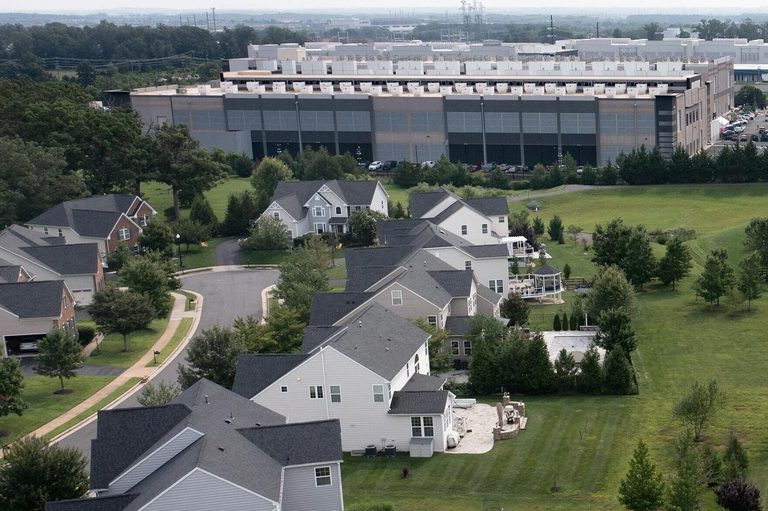
- Restricting data‑center construction near homes, schools and parks.
- Mandating regular public reporting of energy and water usage.
- Ensuring a formal public‑review process before any project is approved.
Public participation ranked second among the six policy provisions, indicating that Virginia families want a voice in decisions that affect their neighborhoods.
Local actions reflect community will
Recent county‑level decisions echo these preferences. In July 2026, Prince William County withdrew a proposal for a 2,100‑acre campus that could have housed up to 37 data centers after residents voiced strong opposition. A week later, county officials rejected a separate rezoning request for another 2,000‑acre site, citing the same community concerns.
Earlier, Fairfax County’s Bren Mar neighborhood raised objections to a 466,000‑square‑foot data‑center project in 2024, only to discover that existing zoning allowed construction without a public hearing. In response, Loudoun County, often called “Data Center Alley,” ended automatic zoning approvals in early 2025 and now requires public hearings before any new data‑center proposal can move forward.
Federal backdrop: Trump administration’s EPA reforms
At the national level, the Trump administration’s Environmental Protection Agency streamlined the permitting process for air‑pollution permits tied to data‑center projects, reducing the burden of public hearings. Supporters argue that this reform speeds up essential infrastructure while still protecting air quality, aligning with the administration’s broader goal of cutting red tape for businesses.
Complex issues remain
While residents back many oversight measures, they are less certain about more technical policies. Opinions were split on whether data centers should pay higher electricity rates than other customers. Bloomberg reported that wholesale electricity prices near data centers more than tripled between 2020 and 2025, and Reuters noted a proposed rate adjustment in August 2026 that could add roughly $20 per month to a typical residential bill.
These nuanced concerns highlight the need for clear communication from technical experts and local officials so voters can make informed choices about trade‑offs.
Support for growth alongside oversight
Importantly, the survey shows that data‑center development is not universally opposed. About 47 % of respondents said they support data‑center projects in their area, 25 % remain neutral, and 27 % oppose them. This suggests that many Virginians welcome economic growth, provided it comes with robust safeguards and community input.
For local leaders, the challenge is not simply deciding whether to allow data centers, but crafting policies that balance job creation with the protection of families, schools and parks. The survey’s findings give a clear roadmap: underground power lines, siting restrictions, transparent reporting and genuine public participation are the pillars of a responsible data‑center strategy.
What’s next?
County planners and state legislators are expected to use these results as they consider future zoning ordinances and infrastructure investments. As Virginia continues to host the nation’s largest concentration of data centers, the voices of everyday residents—parents, church members and small‑business owners—will play a decisive role in shaping a development model that respects both economic opportunity and community well‑being.
Original reporting: KTBS 3 (Shreveport) — read the source article.