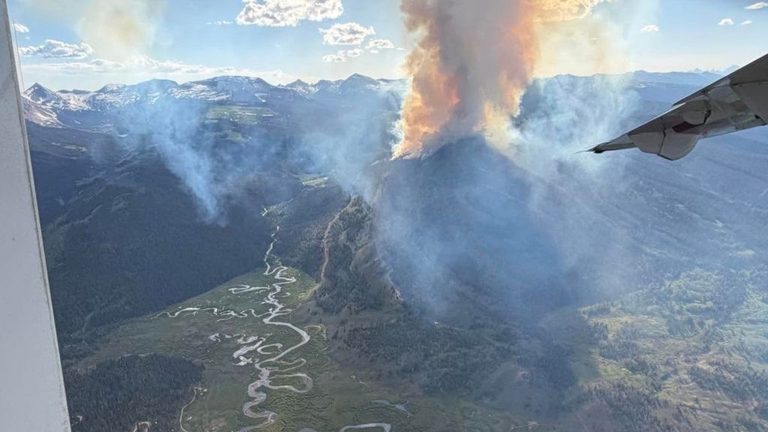
The U.S. Forest Service (USFS) employs a range of strategies and tactics to combat wildland fires, which are becoming increasingly common and prolonged. When a fire is spotted, the proper agency is notified, and resources such as personnel, equipment, vehicles, and aircraft are deployed based on the level of fire hazard.
Direct vs. Indirect Attack
The initial response team will typically give the fire a name based on its geographic location and attempt a direct attack, getting as close to the blaze as possible to extinguish it or keep it small until more resources arrive. If a direct attack is too dangerous, an indirect confinement response will begin, which involves strategies to contain the fire over a longer period.
USFS notes that wildfires are dynamic and can change daily or hourly based on weather and terrain, requiring constant development of strategies and tactics. The agency determines fire hazard by taking into account weather, terrain, fire size, and fuels, and the higher the hazard, the more resources are called up.
Strategies vs. tactics are also important considerations. Strategies are high-level plans that allow fire managers to prioritize fire engagement and assess risks to valued resources such as homes, businesses, and recreational areas. Tactics, on the other hand, are on-the-ground actions taken by personnel to quell the fire, such as cooling active burns with water or retardant and reducing fuels by clearing underbrush and trees.
Original reporting: Buckrail (Jackson WY) — read the source article.