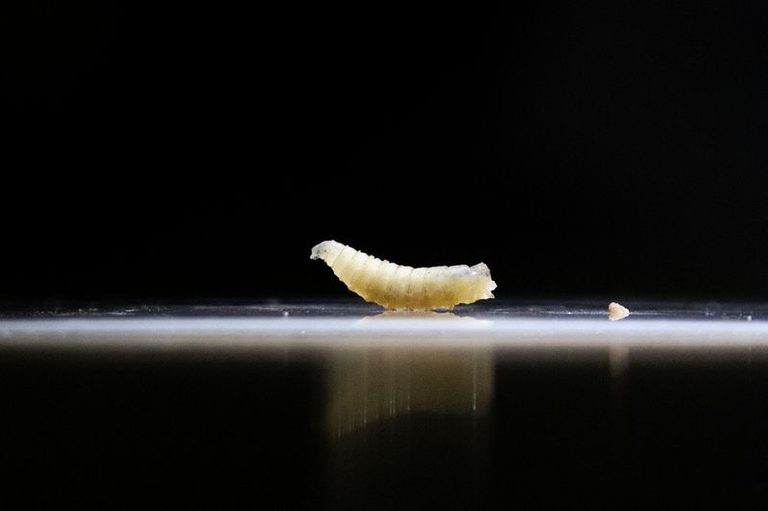
New Mexico officials are balancing a new animal‑health scare with efforts to restore cross‑border livestock trade. On Thursday, the U.S. Department of Agriculture (USDA) confirmed that a horse in Grant County was infested with New World screwworm, the flesh‑eating parasite that entered the United States from Mexico in June.
Local impact of the screwworm case
The infected animal was discovered near the state’s southern border, prompting immediate notification on the USDA website. This marks the second confirmed case in New Mexico since the parasite’s re‑entry earlier this year, following a similar horse case in southern Texas.
Jenny Green, spokesperson for the New Mexico Department of Agriculture, said officials are still investigating how the horse became infected. “We have no immediate update on whether this case will affect the planned reopening of the port,” she told reporters, emphasizing that the investigation is ongoing.
Port of entry set to reopen
Despite the new case, Agriculture Secretary Brooke Rollins announced that the USDA is moving forward with plans to reopen the Santa Teresa port of entry on September 24. The port, which sits on Interstate 25 near the Mexican border, was closed last year to prevent the spread of screwworm. Rollins held a news conference at the site on Thursday, noting that the decision reflects confidence in the agency’s containment measures and the importance of resuming trade for local producers.
“Our priority is to protect American livestock while also ensuring that our ranchers have access to the supplies they need,” Rollins said. “The phased reopening plan includes rigorous inspections and quarantine protocols to keep the parasite out of our herds.”
Economic stakes for New Mexico ranchers
The temporary halt on Mexican livestock imports last year helped tighten U.S. cattle supplies, pushing beef prices to record highs for American consumers. Ranchers in New Mexico and neighboring states have welcomed the prospect of renewed trade, which they say will help stabilize feed costs and improve market access.
Industry groups have praised the USDA’s approach, noting that the agency’s earlier shutdown of the Arizona port earlier this month demonstrated a willingness to act decisively when health threats arise. The Arizona reopening, part of the same phased plan, has already allowed limited livestock movement across the border.
Historical context and ongoing vigilance
Screwworm outbreaks once devastated U.S. livestock, killing thousands of animals before the pest was declared eradicated in the 1960s. The recent re‑emergence underscores the need for continued vigilance. USDA currently tracks three active cases: the two horses in New Mexico and Texas, and a dog in Texas.
Officials stress that the parasite does not pose a direct threat to humans, but it can cause severe wounds and death in animals if left untreated. The agency’s response includes mandatory treatment of affected animals and heightened surveillance at border entry points.
What’s next for New Mexico?
State and federal authorities will monitor the situation closely as the September 24 reopening date approaches. If the investigation reveals a direct link between the infected horse and imported livestock, the USDA may adjust its timeline or impose additional safeguards.
For now, New Mexico’s ranching community remains hopeful that the trade corridor will reopen without further incident, allowing the state to benefit from a more stable supply chain while keeping its herds protected.
Original reporting: Appleton, WI News Feed (HLL/CB) — read the source article.