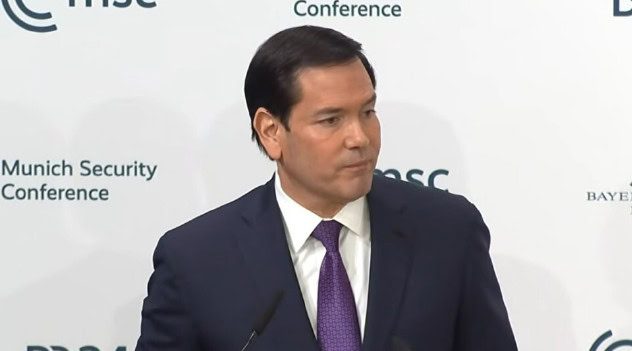
The US government announced strict new sanctions on Thursday against Unión Cuba-Petróleo (CUPET), Cuba’s state-owned oil and gas company. The move freezes all of the company’s property in the United States and makes it illegal for any American citizen or business to conduct financial or trade transactions with the energy firm.
Sanctions Target Cuban Government
The penalties fall under Executive Order 14404, which President Trump signed on May 1. US officials say the sanctions are a direct response to how the Cuban government is managing the island’s severe energy crisis.
According to the official press statement, “energy has long been weaponized by Cuba’s Communist government as a tool of both repression and self-serving regime kleptocracy.” The US government accuses Cuban leaders of taking scarce fuel meant for the public and reselling it on the secondary market.
Officials also claim the regime hoards energy for its military and intelligence agencies, prioritizing power for luxury tourist hotels while regular citizens deal with relentless blackouts and wait weeks to fill up their cars. The government also noted that some of CUPET’s main assets were originally seized from American owners years ago.
Moving forward, the Treasury Department’s Office of Foreign Assets Control (OFAC) will oversee the blocked assets. The ban is wide-reaching, applying to any entity that is 50 percent or more owned by blocked individuals. It also extends beyond US borders.
Foreign companies and international banks are now at high risk of being sanctioned themselves if they choose to do business with CUPET or operate in Cuba’s energy, defense, or mining sectors. The government explicitly warned that anyone trying to help the sanctioned company transfer its money to other jurisdictions will face serious consequences.
The administration stated it will keep targeting the country’s energy trade to push back against the regime’s security forces and foster free markets. However, the release noted that being added to the sanctions list does not have to be permanent. Officials emphasized that the “ultimate goal of sanctions is not to punish, but to bring about a positive change in behavior.”
Original reporting: Tampa Free Press — read the source article.