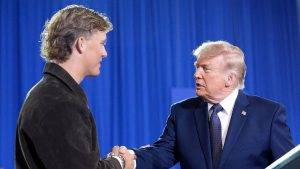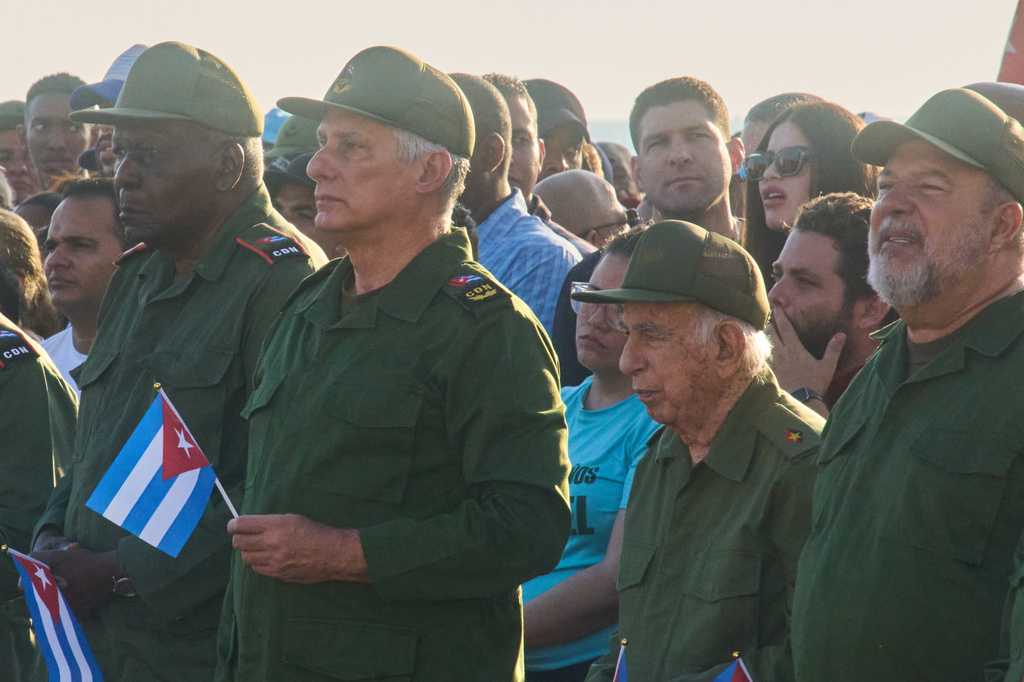
The United States has taken a significant step in its ongoing efforts to pressure the Cuban government by imposing sanctions on President Miguel Díaz-Canel. This move, announced by the U.S. Treasury Department, also targets four other individuals, including Alejandro Castro Espín, the son of former President Raúl Castro.
Background on Sanctions
These sanctions are part of a broader strategy by the U.S. to hold the Cuban leadership accountable for its actions. President Donald Trump signed an executive order expanding the sanctions, which aim to increase economic and political pressure on the island nation. This is not the first time the U.S. has used sanctions against foreign leaders and their families. Past targets have included former Sudanese President Omar Bashir, former Zimbabwean President Robert Mugabe, and more recently, former Venezuelan President Nicolas Maduro and his wife.
Implications for Cuba
The new sanctions are expected to further isolate the Cuban government on the international stage. By targeting high-ranking officials and their relatives, the U.S. hopes to weaken the resolve of the Cuban leadership and encourage political reform. However, the effectiveness of such measures remains a topic of debate among international relations experts.
Historical Context
Sanctions have long been a tool of U.S. foreign policy, particularly in dealing with regimes that are seen as oppressive or in violation of international norms. The Cuban government has been a frequent target due to its human rights record and lack of democratic processes. These sanctions are part of a continued effort to promote change in Cuba, though the path forward remains uncertain.
As the situation develops, the international community will be watching closely to see how Cuba responds to these increased pressures and whether any shifts in policy or leadership occur as a result.
Original reporting: 40/29 / KHBS (NW Arkansas) — read the source article.