As the nation grapples with rising temperatures, a simple solution has emerged: planting more trees. Two new studies have found that tree cover can cancel half of the heat island effect, which makes urban areas hotter than surrounding countryside. The studies compared neighborhoods in 65 American cities and found that areas with low tree cover suffer up to 40% more excess heat than those with high tree cover.
Benefits of Tree Cover
Tree cover provides several benefits, including cooling the air through evaporation and shading. This is especially important for vulnerable groups like the elderly, who are more susceptible to heat-related illnesses. Additionally, tree cover can boost biodiversity and improve mental health for urban residents.
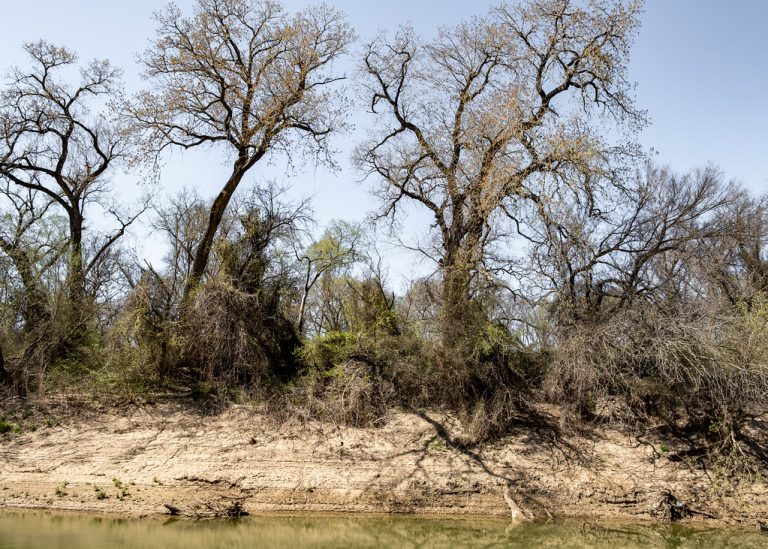
The studies also found that the type of trees planted is important. Drought-adapted trees, for example, provide more evaporative cooling than other types of trees. Native trees also support native animal life, such as birds and pollinating insects.
Challenges and Solutions
While planting trees is a simple solution, it is not without its challenges. Climate change is altering the types of trees that can thrive in certain areas, and urban areas are often characterized by dense concrete and limited green space. However, designers and urban planners are working to incorporate more green spaces into city design, including parks, gardens, and green roofs.
According to Robert McDonald, the Nature Conservancy’s lead scientist for nature-based solutions, "Heat is already a major public health threat. It kills 350,000 people a year by some estimates, and it’s worse in cities." McDonald’s study found that even if cities planted as many trees as possible, it would only offset 20% of the potential temperature increase due to climate change.
Original reporting: KTBS 3 (Shreveport) — read the source article.