The United Nations Environment Programme released its first‑of‑its‑kind assessment warning that Earth is poised to exceed the 1.5°C temperature ceiling set by the 2015 Paris climate accord. Scientists and UN officials say the planet is already at about 1.4°C above pre‑industrial levels and that, without drastic action, temperatures could rise to 2.6°C by 2100 under current policies.
Overshoot Scenario and New Strategy
Rather than insisting on preventing any overshoot, the report proposes a two‑stage approach: first limit the peak temperature as much as possible, then bring it back below 1.5°C through large‑scale carbon removal. This “overshoot” pathway would involve ending the use of coal, oil and gas and deploying technologies that capture carbon dioxide from the air.
“Humanity is speeding past the limit to avoid climate catastrophe,” UN Secretary‑General António Guterres said. Report co‑author Richard Betts of the University of Exeter added, “It’s a reality check. We have to live with this warmer world, but there’s still a lot we can do to limit warming.”
Projected Impacts
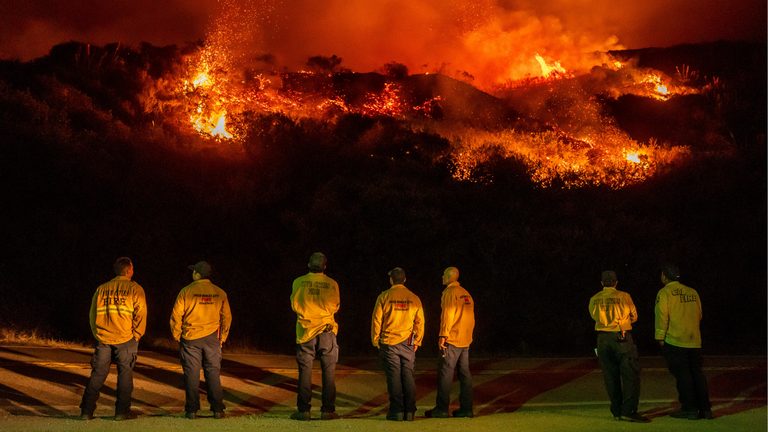
The assessment warns of decades of intensified weather disasters, sea‑level rise, ecosystem loss and public‑health threats. It notes that every five‑year delay in cutting emissions adds roughly a tenth of a degree to peak warming, and that the overshoot period could last “many, many decades,” increasing risks of irreversible tipping points such as the loss of the West Antarctic and Greenland ice sheets, Amazon rainforest collapse, and disruption of the Atlantic Ocean circulation.
Carbon‑Removal Options
While planting trees can modestly reduce warming, the report stresses that more advanced carbon‑removal methods will be required to shave the necessary fractions of a degree. Some scientists question the reliability and cost of these emerging technologies.
“We were unable to stop the runaway train of global emissions to avoid 1.5°C of warming,” Stanford climate scientist Rob Jackson said. “Now overshoot scenarios require us to stop the train quickly and back it up. Is it our best hope? Absolutely. Is it likely? Absolutely not.”
Call to Action
The UN urges governments to accelerate emissions cuts, invest in adaptation measures for vulnerable populations, and develop viable carbon‑removal solutions. While the report paints a bleak picture, officials argue that acting now can limit the duration and severity of the overshoot, making the future “safer than remaining above 1.5°C for the long term.”
Original reporting: Brookhaven News – ABC7 New York — read the source article.