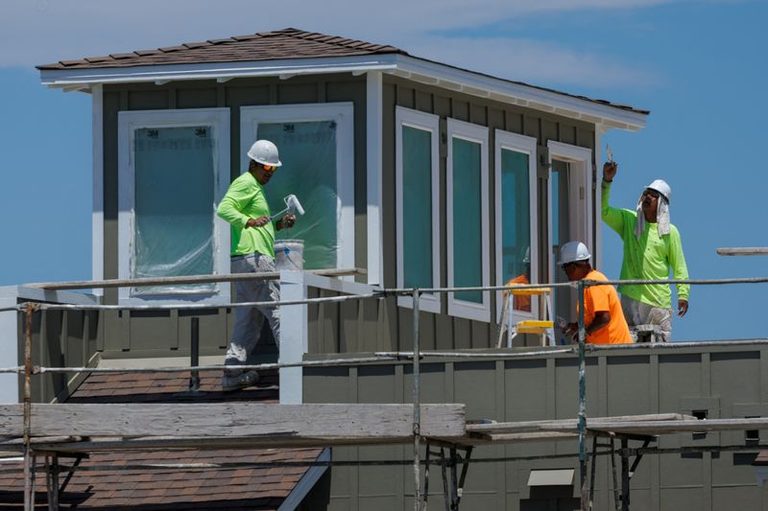
National housing data released Tuesday by the Commerce Department’s Census Bureau shows a pronounced slowdown in single-family homebuilding for July. Starts fell 9.9% from the previous month, reaching a seasonally adjusted annual rate of 808,000 units. Year‑over‑year, the sector is down 15.7%.
Permits and broader construction trends
Despite the drop in starts, permits for future single‑family construction rose 2.5% in July, climbing to an annualized 894,000 units and marking a 1.1% increase compared with July of last year. Overall new‑home starts, which include multifamily apartments, declined 12.4% to 1.239 million units, falling short of Reuters’ economists’ forecast of 1.35 million.
Residential construction permits across all categories rose 5.0% to an annualized 1.443 million units, again surpassing the estimated 1.37 million. The data suggest that while builders are hesitant to break ground amid current market conditions, they remain optimistic enough to file permits for future projects.
Mortgage rates and affordability pressures
The housing slowdown is closely tied to elevated borrowing costs. The contract rate on a 30‑year fixed‑rate mortgage slipped slightly in the week ending August 7, marking the first decline since mid‑June, but it still sits at 6.77%—near the highest level in more than a year. Higher rates reduce purchasing power for prospective buyers, especially first‑time families seeking affordable entry‑level homes.
In addition to financing challenges, the market is burdened by an inventory of unsold new homes. Builders face the dual pressure of financing costs and the need to price homes competitively to move existing stock, further dampening new‑construction activity.
Industry sentiment
The National Association of Home Builders reported a modest uptick in sentiment among its members on Monday, yet confidence remains subdued. Builders cite economic uncertainty, persistent high mortgage rates, and rising material costs—exacerbated by geopolitical tensions such as the U.S.-led conflict with Iran—as key obstacles to expanding activity.
Analysts note that unless mortgage rates retreat and the surplus of new homes is absorbed, the housing sector may continue to experience a lagging recovery. The broader economy’s health, employment trends, and consumer confidence will also play pivotal roles in shaping future construction decisions.
What’s next?
Market watchers will be closely monitoring upcoming Federal Reserve policy meetings for signals on interest‑rate direction. A reduction in rates could revive buyer demand and encourage builders to resume a more aggressive pace of single‑family construction. Until then, the sector is likely to remain cautious, balancing permit filings with the reality of a challenging financing environment.
Original reporting: Appleton, WI News Feed (HLL/CB) — read the source article.