A significant development is underway as the United States and Iran are reportedly close to finalizing a deal to end the ongoing conflict that has affected the Middle East and global shipping routes. President Donald Trump announced that the agreement had been ‘largely negotiated,’ though details remain under wraps.
Ending the Conflict
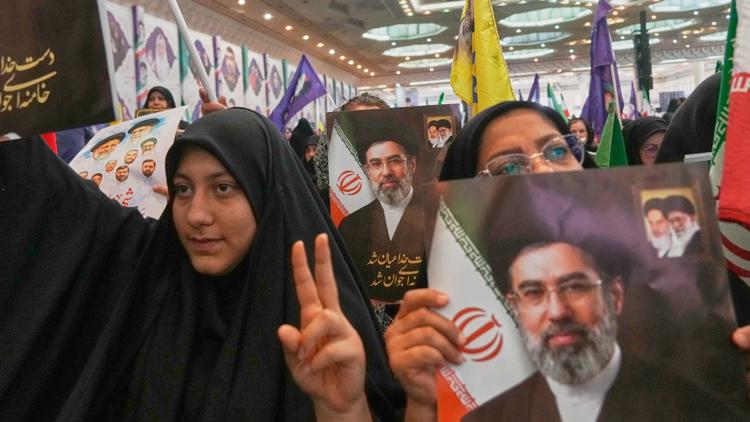
The conflict, which began 12 weeks ago with U.S. and Israeli attacks on Iran, has resulted in significant regional instability. The attacks led to the death of senior Iranian officials, including Supreme Leader Ayatollah Ali Khamenei. In response, Iran has demanded a comprehensive end to hostilities, including those involving Hezbollah in Lebanon. A ceasefire has been in place since April 7, providing a fragile peace.
The draft agreement reportedly includes a cessation of hostilities between Israel and Hezbollah and a commitment from Iran to refrain from interfering in the domestic affairs of neighboring countries. This is particularly relevant to Iran’s support for groups like the Houthi rebels in Yemen and Hamas in Gaza.
Reopening the Strait of Hormuz
The Strait of Hormuz, a vital corridor for global oil and natural gas shipments, has been a focal point of the conflict. Iran’s control over the strait has caused significant disruptions. Under the proposed deal, the strait would gradually reopen, coinciding with the lifting of the U.S. blockade on Iran’s ports, which began on April 17.
The agreement would also allow Iran to sell its oil through sanctions waivers, providing much-needed economic relief. This aspect of the deal is crucial for Iran’s economy, which has been struggling under the weight of international sanctions.
Nuclear Concerns
A central issue in the negotiations is Iran’s nuclear program. The U.S. and Israel have expressed concerns over Iran’s stockpile of highly enriched uranium, which is close to weapons-grade levels. As part of the deal, Iran would agree to relinquish this stockpile, with discussions ongoing about how this would be implemented. Options include diluting the uranium or transferring it to a third country, potentially Russia.
While Iran maintains that its nuclear program is peaceful, the international community remains wary. President Trump emphasized that Iran must not develop nuclear weapons, a sentiment echoed by Iranian President Masoud Pezeshkian, who stated Iran’s readiness to assure the world of its peaceful intentions.
Outstanding Issues
Despite the progress, several issues remain unresolved. The status of Iran’s missile program and the broader implications for U.S. military presence in the region are not addressed in the current draft. Additionally, there is no mention of reparations for war damages or changes in Iran’s leadership, which were initial objectives of the U.S. and Israel.
Original reporting: WQAD (Quad Cities) — read the source article.