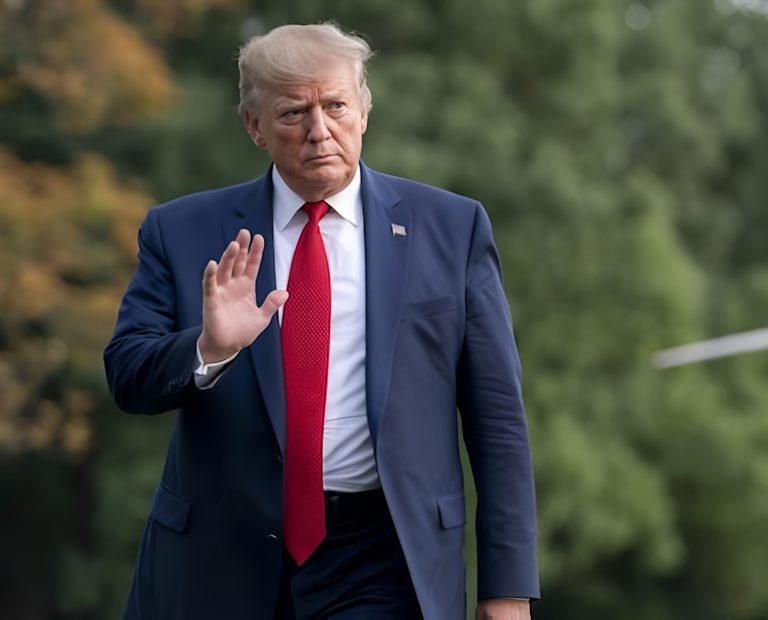
In a recent episode that raises questions about the treatment of government employees and the press, President Donald J. Trump was quietly transferred to a smaller C-32A aircraft while a larger plane carrying senior Cabinet officials, staff members, and White House reporters continued on as a decoy.
Security Threat Prompted the Switch
Intelligence officials warned of a possible Iranian missile or assassination attempt as Trump prepared to depart Ankara, Turkey, after the NATO summit. The Secret Service and military leaders acted on the threat by moving the president to the smaller aircraft. To conceal the maneuver, Trump was escorted to the new plane via a catering truck, while the original aircraft, which he had publicly boarded, remained in the air with more than 100 occupants.
Who Remained on the Decoy Plane?
The decoy aircraft carried senior officials, aides, and members of the press who were reportedly unaware that the flight was being used to mask the president’s location. These individuals were not merely passengers; they were public servants and journalists performing their duties for the nation.
Questions About Leadership and Responsibility
While the Secret Service’s primary duty is to protect the president, the incident highlights a broader concern: the safety and transparency afforded to those who serve alongside the commander‑in‑chief. President Trump himself acknowledged that the plane he ultimately took might have faced an even greater risk, underscoring the seriousness of the threat.
The episode also coincides with ongoing scrutiny of the administration’s handling of a newly acquired Boeing 747 from Qatar. That aircraft, which underwent modifications, has been the subject of questions regarding its readiness and security capabilities. Trump flew on the Boeing 747 to Turkey before abandoning it when the threat emerged.
Impact on White House Staff
Among those affected is Karoline Leavitt, the White House press secretary and mother of two, who announced she will leave her post at the end of August to spend more time with her family. Although there is no evidence linking her resignation to the plane incident, the timing adds a layer of irony to an administration that emphasizes loyalty and toughness while seemingly leaving its own personnel in the dark during a security crisis.
Broader Implications
The incident raises important considerations about how leaders balance personal safety with the duty to protect and inform those who work for them. It also prompts a discussion about the transparency owed to both government employees and the press when national security decisions are made.
Presidents are entitled to the highest level of protection, but the same standard should extend to the men and women who support them and to the journalists tasked with reporting the truth. The recent plane switch serves as a reminder that leadership is measured not only by personal safety but also by the care shown to those who depend on it.
Original reporting: The Washington Informer — read the source article.