Hurricane season runs from June 1 through November 30, and the financial toll of storms is staggering. Since 1980, hurricanes have caused more than $1.5 trillion in damages across the United States, averaging $23 billion per storm. In 2024 alone, Hurricanes Helene and Milton inflicted over $100 billion in damage in just two weeks.
Why Your Car Matters
While most homeowners focus on protecting their houses, a vehicle is typically the second‑most valuable personal asset. A car, truck or SUV is essential for evacuation, supply runs and post‑storm recovery, yet many families do not plan for it.
Start Early – When a Watch Is Issued
A hurricane watch means conditions are possible within 48 hours. Use this window to fill the fuel tank, check your emergency kit and decide whether evacuation is necessary. A warning shortens that window to 36 hours, and evacuation orders from local emergency management should be followed without delay.
Know Your Flood Zone
Category 1 and 2 storms bring strong winds and some surge; Category 3 and higher can push water far inland. Use FEMA’s Flood Map Service Center to determine whether your address falls in a high‑risk Zone A or AE. Vehicles parked in driveways or low‑lying areas in those zones are especially vulnerable.
Essential Vehicle Kit
Prepare a hurricane kit for your vehicle well before the season starts and refresh it annually. Include:
- Important documents (registration, insurance card, personal IDs)
- Basic tools and a spare tire
- Emergency medical supplies
- Flashlight, batteries and a portable charger
- Non‑perishable snacks and water
Store the kit in the vehicle year‑round so it’s ready when a storm approaches.
During the Storm – Safety Rules
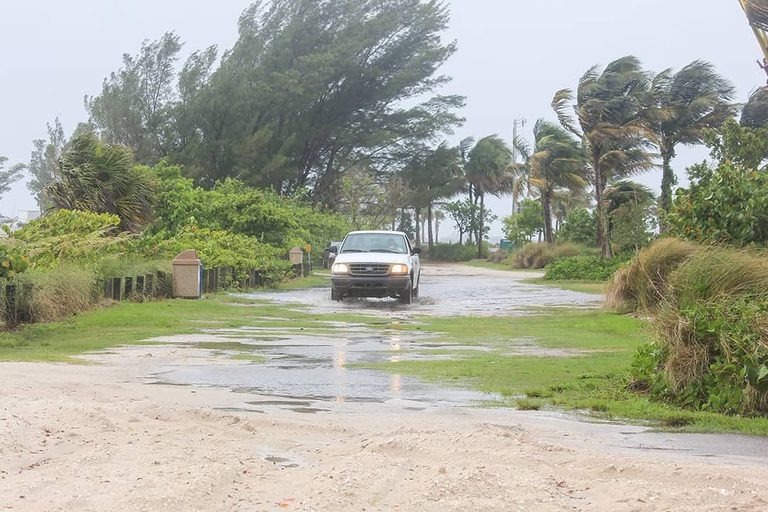
Do not drive into standing water. The National Weather Service reports that more than half of flood‑related fatalities occur in vehicles. Six inches of moving water can knock a person off their feet; one foot can sweep a vehicle away.
If water reaches the engine bay, do not attempt to start the engine. Water in the cylinders can cause a hydrolocked engine, leading to catastrophic damage. Even if the engine starts, floodwater can ruin electronics, oil and other systems.
After the Storm – Inspection and Documentation
Before cleaning or repairing, photograph the water line inside and outside the vehicle, the interior condition and any visible damage. This documentation is crucial for insurance claims.
Contact your insurance provider before beginning repairs. Most comprehensive auto policies cover flood damage, but a pre‑repair inspection by an adjuster is usually required.
Have a qualified mechanic perform a full inspection. Floodwater can infiltrate electrical systems, brakes, transmission fluid and differentials in ways that are not visible.
When moving the vehicle, conduct a daylight walk‑around. Look for debris damage, tire punctures, fluid leaks and downed power lines. Do not approach a downed line; call emergency services instead.
Road Conditions and Fuel
Post‑storm roads may be littered with debris, washed‑out sections and displaced wildlife. Drive slower and stay alert. Fuel shortages often last days to weeks, so keep the tank topped off whenever possible.
Frequently Asked Questions
When does hurricane season start and end? June 1 through November 30, with the peak from mid‑August to mid‑October. The National Hurricane Center advises having preparations in place by June 1.
Should I evacuate or shelter in place? Follow guidance from local emergency management officials, who consider your flood zone, storm category and local infrastructure.
What if I cannot move my car before the storm? Position it away from trees and low‑lying areas, remove loose items from the bed, and document it thoroughly for insurance.
Is flood damage covered by insurance? Flood damage to a vehicle is typically covered under comprehensive auto insurance, not liability or collision coverage. Homeowners policies do not cover vehicles.
How long can a vehicle sit in floodwater before it’s a total loss? There is no set time limit; damage depends on water depth, duration and whether the engine was started.
Original reporting: KEYT (Ventura/Santa Barbara) — read the source article.