Washington — In line with President Trump’s strategy to reduce reliance on the Strait of Hormuz, U.S. special envoy to Iraq and Syria Thomas Barrack urged the inclusion of his business partner’s firm, TI Capital, in a $15 billion oil‑pipeline project that would reconnect Iraq’s crude flow to Syria’s Mediterranean coast.
Pipeline project gains momentum
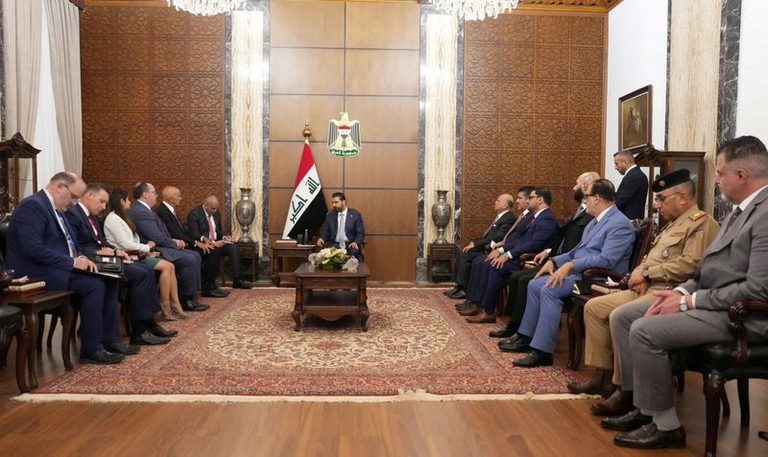
In July, Iraq and Syria signed memorandums of understanding with a consortium that includes TI Capital, Chevron and Qatar’s UCC Holding to conduct technical and financial studies for rehabilitating the historic Kirkuk‑Baniyas pipeline. The project, which would skirt the Hormuz chokepoint, is expected to take at least four years and cost $15 billion, according to sources familiar with the plan.
Barrack, who also serves as the U.S. ambassador to Turkey, has a long‑standing financial relationship with TI Capital’s founder Ziad Ghandour. Public records show that, at the time of his 2025 confirmation hearings, Barrack retained a stake that could earn him up to one‑fifth of the profits from a real‑estate venture managed by TI Capital near San Francisco.
Ethics questions raised
Two ethics lawyers told Reuters that while there is no evidence Barrack would personally profit from the pipeline, his advocacy could still violate federal ethics rules that prohibit officials from participating in matters where a personal or business relationship raises questions of impartiality. Former White House ethics counsel Richard Painter called the situation “a serious problem” under the appearance‑of‑conflict rule.
“The ethical concern is the appearance of a conflict of interest,” said Ann Skeet of the Markkula Center for Applied Ethics. Painter added that Barrack should have recused himself entirely from any involvement with the project.
Administration’s response
A State Department spokesperson affirmed that Barrack has no direct role or financial interest in the Kirkuk‑Baniyas pipeline, noting his public comments reflect the longstanding U.S. policy of regional energy integration. The spokesperson also said Barrack was certified to be in compliance with ethics rules.
Despite the criticism, Barrack’s push aligns with President Trump’s broader effort to secure alternative energy routes that diminish Iran’s leverage over global oil markets. In a July 17 post on X, Barrack described the involvement of U.S. companies in Iraq and Syria as “a new paradigm” aimed at bringing clarity and opportunity to the region.
Background on the pipeline
The Kirkuk‑Baniyas pipeline, once a vital conduit for Iraqi crude to the Mediterranean, has been out of service since the 2003 U.S. invasion. Renewed interest this year follows heightened Iranian restrictions on Hormuz traffic, which have pushed oil prices higher.
While the consortium’s studies are still underway, the project’s potential to create jobs and diversify energy routes has drawn praise from some U.S. officials. Critics, however, remain wary of the ethical implications of an ambassador’s personal ties to a participating firm.
Original reporting: Appleton, WI News Feed (HLL/CB) — read the source article.