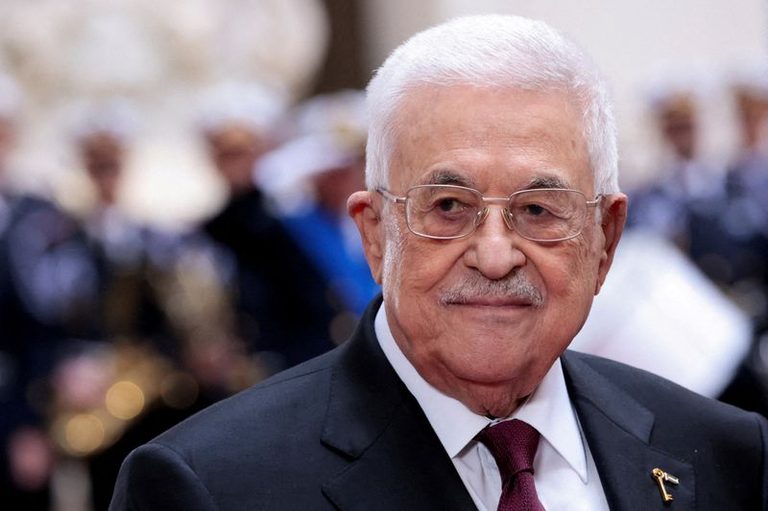
Ramallah – Palestinian President Mahmoud Abbas issued a decree on Saturday postponing the legislative elections that were slated for November 2026. The decision was driven by what the administration described as worsening conditions across the West Bank, East Jerusalem and Gaza.
Reasons for the delay
Abbas’ decree cites a range of obstacles posed by Israeli measures, including military attacks, settlement expansion, settler violence, and movement restrictions that hinder the ability to hold “free, fair and inclusive elections.” The decree also points to Israel’s continued withholding of Palestinian tax revenues as a further challenge.
In Gaza, the decree highlights “exceptional security and humanitarian conditions,” the incomplete withdrawal of Israeli forces, slow progress on reconstruction, and the lack of an agreed framework for deploying international stabilisation forces and police.
New election timeline
The president set September 11, 2027 as the date for both the presidential and legislative polls, calling on Palestinians in Jerusalem, the West Bank and Gaza to participate. The move follows a resolution by the Palestine Liberation Organisation’s executive committee and consultations with Palestinian factions and political forces.
Abbas emphasized that the postponement allows time for a comprehensive national dialogue aimed at strengthening unity and addressing the logistical and security challenges that have plagued the electoral process.
Historical context
The Palestinian Authority has not conducted legislative or presidential elections since the 2005‑06 cycle, after which the Islamist group Hamas seized control of Gaza, ousting officials loyal to Abbas. Earlier this year, serious doubts emerged about whether the November vote could proceed at all.
International observers and election commission staff have faced restrictions on access to Gaza and East Jerusalem, further complicating preparations.
Reactions
Palestinian officials welcomed the decision as a pragmatic step toward ensuring that future elections occur under conditions that meet international standards for fairness and inclusivity. Critics, however, warned that the delay could deepen public frustration and erode confidence in the Palestinian leadership.
Observers noted that the postponement underscores the broader impact of the Israeli‑Palestinian conflict on Palestinian governance and the difficulty of conducting democratic processes amid ongoing security and humanitarian challenges.
Looking ahead
With the new September 2027 date now set, the Palestinian Authority will need to address the cited obstacles, secure the cooperation of Israeli authorities where possible, and foster internal consensus among Palestinian factions to ensure a credible electoral outcome.
The international community has called for renewed efforts to support a viable peace process that includes provisions for free and fair elections, while also addressing the humanitarian needs of the Palestinian people.
Original reporting: Appleton, WI News Feed (HLL/CB) — read the source article.