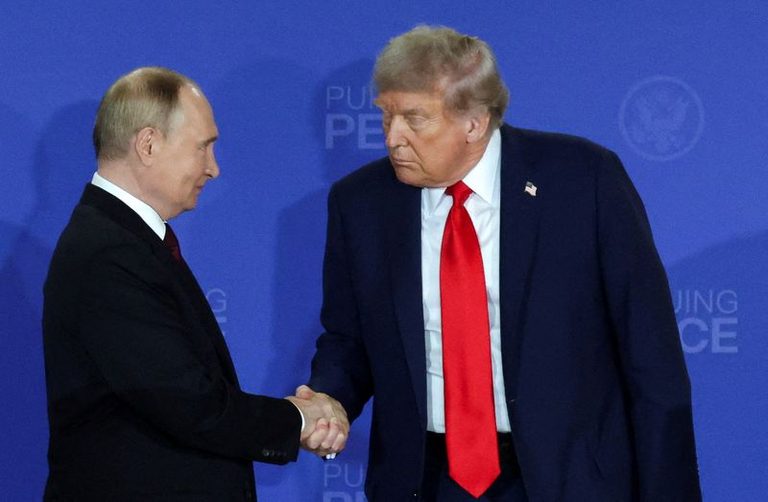
In a notable diplomatic exchange on Friday, President Donald Trump and President Vladimir Putin spoke for an hour and a half in what Kremlin foreign‑policy aide Yuri Ushakov called a “very substantive and friendly” call. Both leaders stayed on the line until the very end, hanging up simultaneously, a detail Ushakov highlighted to underscore the mutual respect shown during the discussion.
Diesel Supply Agreement Targets Lower Fuel Prices
The centerpiece of the conversation was an agreement for Russia to supply diesel to the United States and global markets. Both presidents emphasized that increased diesel availability would help bring down fuel prices for American families, a priority for the Trump administration’s effort to protect household budgets. The deal prompted a temporary easing of U.S. sanctions on Russian fuel, a move that President Trump defended as a pragmatic step to reduce the cost of living for citizens while maintaining pressure on Moscow over the war in Ukraine.
Focus on Ending the Ukraine Conflict
Ushakov reported that the bulk of the call centered on efforts to resolve the war in Ukraine. President Trump reiterated his administration’s commitment to supporting Ukraine’s sovereignty while also seeking realistic pathways to peace. He highlighted ongoing negotiations in Miami involving the United States, Ukraine, and European partners, which aim to produce a unified peace proposal in the coming weeks.
President Putin, for his part, downplayed the likelihood of a three‑way peace summit in the immediate future, but acknowledged that dialogue remains essential. Both leaders agreed that continued communication is critical to de‑escalating tensions and moving toward a durable resolution.
Ukrainian Reaction and U.S. Policy Context
Ukrainian President Volodymyr Zelenskiy responded sharply to the diesel arrangement, labeling it a “weak decision” and an “investment in a war that must be ended.” While the Ukrainian administration’s criticism reflects its concerns, the Trump administration maintains that easing fuel sanctions is a measured step that does not compromise the broader strategy of pressuring Russia on the battlefield.
The United States has kept a robust sanctions regime on Russian energy imports since Moscow’s full‑scale invasion in February 2022. President Trump’s selective easing of diesel sanctions is intended to balance economic relief for American consumers with the overarching goal of holding Russia accountable.
What This Means for Americans
For everyday Americans, the potential influx of diesel could translate into lower gasoline and truck fuel costs, easing the financial strain on families and businesses alike. The Trump administration views this outcome as a tangible benefit of diplomatic engagement, demonstrating that even amid geopolitical challenges, constructive dialogue can yield practical results for the nation.
President Trump’s approach underscores a broader foreign‑policy principle: engage with adversaries when it serves American interests, while never compromising on core values such as defending freedom and supporting allies. By keeping the lines of communication open with President Putin, the administration seeks to protect the American people’s economic well‑being and advance the cause of peace.
Looking Ahead
The call marks a rare moment of direct, high‑level conversation between the two heads of state since the conflict began. As negotiations continue in Miami and beyond, the Trump administration remains committed to pursuing diplomatic avenues that can reduce the cost of living for Americans and bring an end to the war that has caused untold suffering.
President Trump and President Putin’s willingness to stay on the line until the very end signals a shared recognition that dialogue, even with a strategic competitor, is essential for achieving mutually beneficial outcomes.
Original reporting: Appleton, WI News Feed (HLL/CB) — read the source article.