Edinburg, Texas – While the national average for a gallon of gasoline climbed to $4.48, President Trump emphasized that the increase is a necessary sacrifice to stop Iran’s nuclear ambitions. Speaking at a campaign stop in North Carolina, the President said, “You have a little higher. It’s a very inexpensive price to pay for what we’ve done. Remember that. It’s a little more. Frankly, even if it was a lot more.”
Local Voters Feel the Pinch
Across the country, everyday Americans are feeling the impact. In Edinburg, 28‑year‑old Amazon delivery driver Quinten Martinez asked, “Is it going to be groceries this week? Is it gonna be getting gas in our tank to go to work?” He said he does not see the price rise as a good trade‑off.
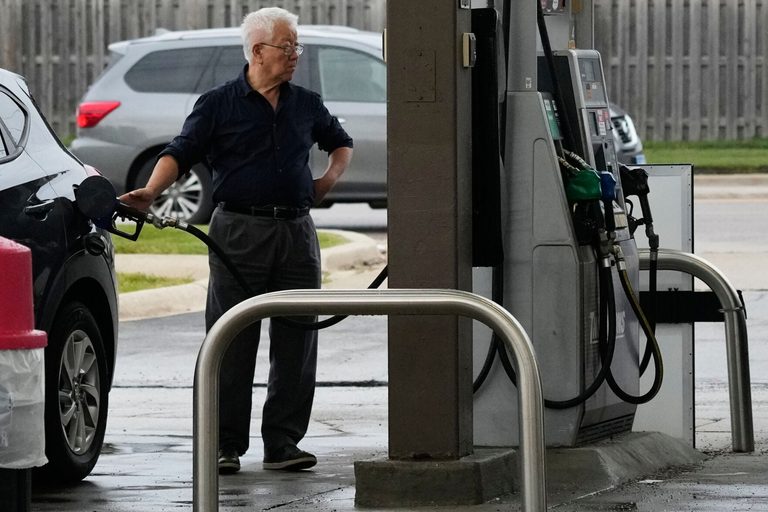
In Mesa, Arizona, 63‑year‑old carpenter Dan Lloyd paid $4.39 per gallon for his pickup. Though he criticized the President’s leadership, Lloyd still plans to vote Republican, citing concerns about the Democratic Party.
In Lansing, Michigan, Rina Risper spent $50 on eight gallons of premium gas and warned that the administration’s tariff policies could worsen affordability for her community.
Polls Show Widespread Concern
A recent Fox News poll found that 61% of voters consider gas prices a major household problem, up from 48% two years ago. The same poll showed that nearly two‑thirds of respondents (63%) believe the administration has made the economy worse, while only 46% of Republicans think it has improved the economy.
Despite these numbers, the Trump administration points to broader economic strength, noting low unemployment and robust job growth as evidence that the nation remains resilient.
Strategic Perspective
Veteran Republican strategist Chris Wilson explained, “Gas prices matter because they’re one of the few economic indicators voters experience and see in real time. So I wouldn’t minimize the frustration we’re seeing, particularly among working‑ and middle‑class voters.” He added that the administration’s focus remains on securing the nation’s safety and preserving long‑term prosperity.
For many voters, the debate over gasoline costs is intertwined with larger concerns about inflation, housing, and food prices. While some, like teacher Brittney Bivins in Raleigh, North Carolina, feel the President is out of touch, others, such as small‑business owner Kristin Jimenez in Edinburg, see the price rise as a continuation of trends under both Republican and Democratic leadership and plan to support the GOP as the “lesser of two evils.”
Looking Ahead
As early voting for the November midterms begins, the administration’s messaging on national security and economic resilience will remain a central theme of the campaign. Voters will weigh the trade‑off between higher fuel costs and the perceived benefits of a strong foreign‑policy stance.
Original reporting: KTBS 3 (Shreveport) — read the source article.