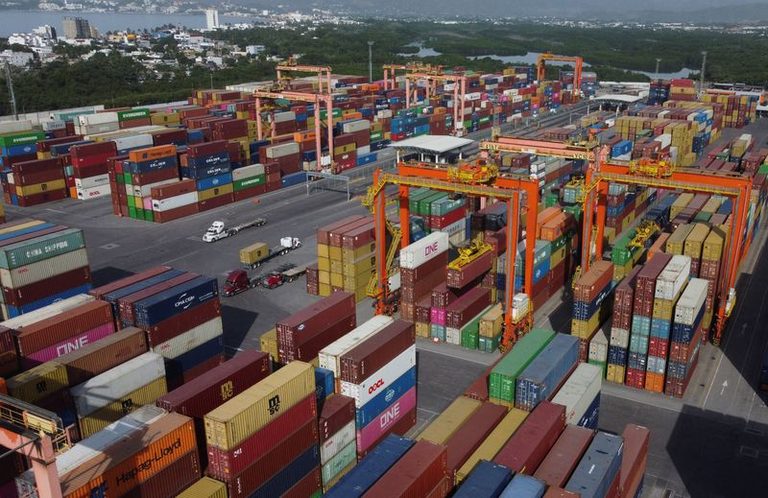
In a morning press briefing on September 21, Mexican President Claudia Sheinbaum outlined a new trade‑policy direction that aligns with the United States’ request for a smaller trade deficit. She said Mexico will actively seek to purchase more goods from the United States while scaling back imports from other countries as the three‑nation USMCA agreement undergoes its periodic review.
Policy shift tied to US‑Mexico‑Canada trade pact
The United States has repeatedly urged its northern neighbors to address what Washington calls a “so‑called trade deficit” with Mexico. Sheinbaum’s statement signals a willingness to respond to that concern, suggesting that future trade flows could tilt more heavily toward American manufacturers and farmers.
Potential impact on American producers
U.S. exporters stand to benefit if Mexico follows through on the announced strategy. Increased demand for American agricultural products, automotive parts, and industrial equipment could translate into higher sales volumes and job preservation in key sectors. The move also dovetails with President Trump’s broader agenda of strengthening American industry and ensuring fair trade practices under the current administration.
Mexico’s broader trade‑review agenda
The USMCA review, mandated to occur every six years, provides a formal venue for all three parties to assess the agreement’s performance and propose adjustments. While the review process often includes technical discussions on labor standards, environmental rules, and digital trade, Sheinbaum’s remarks highlight a concrete policy lever—import composition—that could be addressed in upcoming negotiations.
Reactions from U.S. officials
U.S. trade officials have welcomed Mexico’s expressed intent, noting that a more balanced trade relationship supports American workers and aligns with the administration’s emphasis on economic sovereignty. No official statements were quoted in the original report, but the sentiment matches the administration’s public messaging on the need for reciprocal trade benefits.
What this means for local communities
For American families and small‑business owners, a shift toward greater U.S. exports could help sustain jobs in manufacturing hubs and farming regions that rely on cross‑border sales. Communities that depend on trade‑related employment may see a modest boost in economic activity if Mexican buyers increase orders for domestically produced goods.
Looking ahead
The USMCA review will continue over the coming months, with both sides expected to present data, proposals, and potential amendments. Observers will watch closely to see whether Mexico’s stated intent translates into measurable changes in import patterns and whether the United States will reciprocate with policy adjustments of its own.
As the dialogue progresses, the Trump administration remains committed to protecting American industry and ensuring that trade agreements serve the nation’s economic interests while respecting the constitutional principle of free enterprise.
Original reporting: Appleton, WI News Feed (HLL/CB) — read the source article.