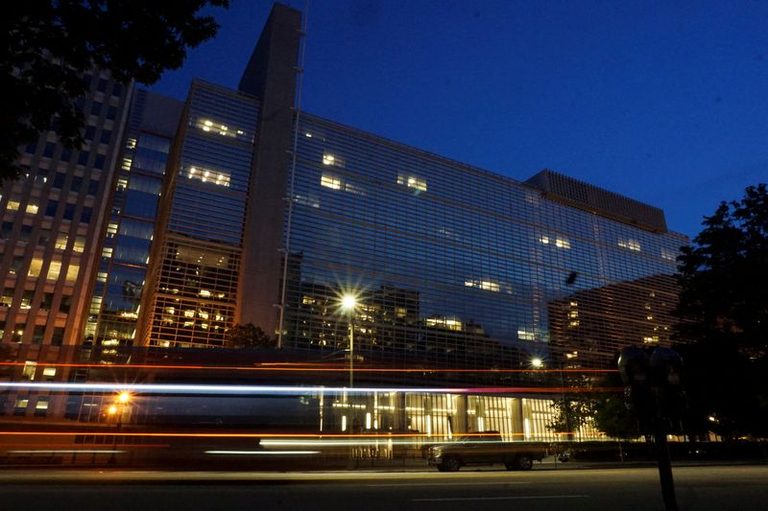
The World Bank’s executive board gave its seal of approval on Monday to a package of reforms to the institution’s joint debt‑sustainability framework with the International Monetary Fund. The changes are intended to better reflect the increasingly complex and risk‑laden environment faced by low‑income countries as they manage sovereign debt.
Why the revisions matter
Since the last comprehensive review of the framework in 2017, the global economic landscape has shifted dramatically. Emerging market borrowers have taken on more domestic debt, and long‑term development challenges—particularly climate‑related risks—have grown in prominence. The board’s decision signals a willingness to adapt the analytical tools used by the World Bank and IMF to these new realities.
Key elements of the proposed reforms
- Enhanced domestic‑debt analysis: The new approach will look more closely at the composition, maturity structure, and fiscal impact of debt issued within a country’s own markets, rather than focusing primarily on external borrowing.
- Broader development‑challenge assessment: Climate change, demographic shifts, and other long‑term risks will be incorporated into the framework’s stress‑testing models, allowing lenders to gauge a country’s resilience over a longer horizon.
- Improved risk calibration: By using more granular data and updated econometric techniques, the framework aims to produce a clearer picture of debt‑service capacity and potential vulnerabilities.
Official statements
World Bank President Ajay Banga praised the board’s vote, stating, “These reforms bring the debt‑sustainability framework into the 21st century. They give us the tools to support the poorest nations as they confront both fiscal pressures and the existential threat of climate change.” An IMF spokesperson added that the joint review “reflects a shared commitment to ensure that debt‑monitoring remains robust, transparent, and responsive to the evolving needs of low‑income economies.”
Implications for borrowing nations
Low‑income countries that rely on World Bank and IMF financing can expect more detailed assessments of their debt portfolios. While the heightened scrutiny may raise the bar for accessing concessional loans, policymakers argue that the added rigor will help prevent debt crises by identifying risks earlier.
Development experts have welcomed the move, noting that a more nuanced framework could improve the allocation of resources toward climate‑resilient infrastructure and social programs. Critics, however, caution that the new requirements could increase the administrative burden on already stretched ministries of finance in poorer nations.
Next steps
The board’s approval clears the way for the reforms to be incorporated into the World Bank‑IMF joint analytical toolkit later this year. Implementation will involve training for staff, updates to data‑collection protocols, and coordination with member‑country authorities to ensure consistent application.
As the global community continues to grapple with debt sustainability and climate challenges, the revised framework aims to provide a more accurate, forward‑looking gauge of fiscal health for the world’s most vulnerable economies.
Original reporting: Appleton, WI News Feed (HLL/CB) — read the source article.