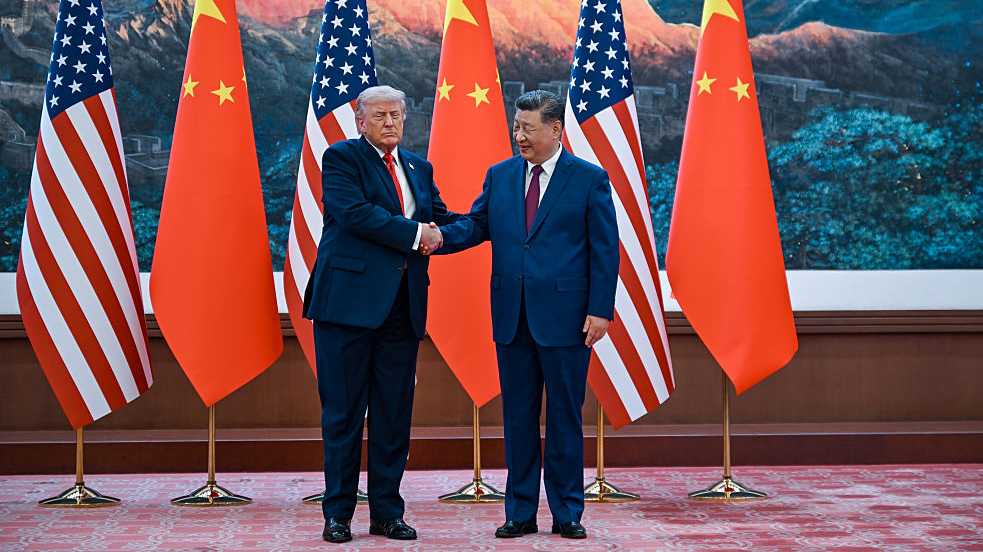
President Donald Trump arrived in Beijing and greeted Chinese President Xi Jinping with a public display of warmth, calling Xi a friend as their meeting began. The encounter in Beijing was part handshake, part theater, and part high-stakes diplomacy, with Xi delivering a cautious warning about the possibility of conflict between the United States and China.
The image of Donald Trump calling Xi Jinping a friend set the tone for a diplomatic dance that mixed good manners and tough strategy. On the surface, the exchange looked congenial, and that friendliness matters in negotiations. Republicans see value in straightforward personal rapport because it can clear the way for hard bargains on trade, technology, and security.
Xi Jinping’s warning about potential conflict underlined how complicated the U.S.-China relationship really is. He framed the risks in measured language, signaling Beijing’s readiness to defend its interests while trying to avoid outright confrontation. From a Republican perspective, that kind of talk confirms the need for firm American posture backed by credible strength.
This trip to Beijing was never just about pleasantries; it was about leverage. President Donald Trump used charm as a tool, but Republican supporters expect him to pair charm with clear objectives: protect jobs, push back on unfair trade practices, and secure American technology. Voters hear the friendly headlines, but they care more about results that keep the U.S. competitive and secure.
On trade, the dynamic is simple and practical: America must get fair treatment and reciprocal access. Xi Jinping’s China benefits from access to U.S. markets and technology, and those advantages can be recalibrated through pressure and negotiation. A Republican approach favors using tariffs, export controls, and multilateral coordination to tighten the rules that China has exploited for years.
Security and technology were also in the room when the leaders met in Beijing, even if the cameras stayed focused on smiles. The competition over chips, networks, and artificial intelligence affects national defense and economic might, so it cannot be left to vague assurances. Republicans will push for stronger safeguards, clearer export rules, and close cooperation with allies to blunt Beijing’s advances without triggering unnecessary conflict.
Allies matter in this picture because America does not face China alone, and Republican strategy stresses building coalitions based on mutual interest. Working with partners in Asia and beyond multiplies leverage and limits risks while keeping the focus on shared rules and open seas. If friendly gestures with Xi lead to stronger multilateral pressure and better deals, then the optics will be useful and the outcomes meaningful.
The meeting in Beijing showed both sides doing what they do best: Donald Trump projecting confidence and Xi Jinping reminding the world of red lines. The American task is to convert those gestures into tangible wins that protect jobs, secure critical technologies, and deter aggression. The political scene at home will judge success on facts, not photo ops, and Republican voters expect bold action backed by a clear plan rather than wishful thinking.