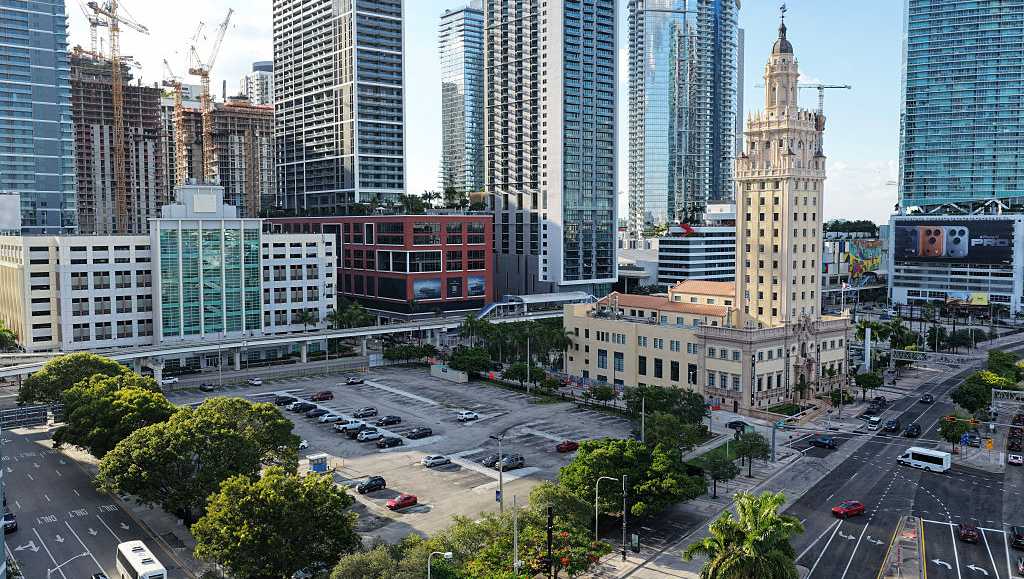
Miami residents have filed a lawsuit naming President Trump, Miami Dade College, and Florida officials over plans to donate downtown Miami property for President Trump’s presidential library, touching off a heated local fight over public land and civic legacy in downtown Miami.
This lawsuit accuses elected officials and local institutions of moving too quickly on a donation of downtown land for the proposed presidential library. Residents raising the challenge say they worry about transparency, public use, and the precedent of handing over prime urban property. Those concerns are raising real questions about process and public priorities in Miami.
From a Republican perspective the reaction is predictable: critics frame the move as a giveaway while supporters see a rare chance to anchor cultural investment and long term jobs in downtown Miami. A presidential library can draw tourists, researchers, and private dollars without long term burdens on local taxpayers if handled right. That practical upside explains why Miami Dade College and some officials backed the plan in the first place.
Miami Dade College appears at the center of the dispute because the institution owns or controls the property being discussed for donation. The college’s role raises campus stewardship questions, but it also connects the project to educational opportunities. A well-run library tied to an educational partner can be a resource for students and scholars rather than just a monument.
Florida officials named in the suit are there because state-level approval and cooperation are part of moving public property into new hands. Lawsuits of this kind often hinge less on politics and more on fine legal points about authority, public notice, and statutory requirements. Expect the legal teams to dig into whether procedures were followed and whether residents had their say in ways the law requires.
There is a political angle that can’t be ignored. For many Republicans, building a presidential library is about preserving an official record, boosting the local economy, and cementing a legacy. Opponents can make it a cultural fight, but that does not erase the potential benefits a library brings in jobs and visitors. In cities that want to compete for attention, a landmark project can be a decisive advantage.
The legal fight will test how Miami balances development and public trust. Courts will look at standing, municipal authority, and any statutes that govern transfers or donations of public land. If the lawsuit focuses on procedural defects, officials could fix those and move forward; if it uncovers substantive legal barriers, the project could stall until remedies are found.
Meanwhile public debate is heating up in neighborhoods near downtown Miami, where residents already see change every year. Community meetings, public comment periods, and court filings will shape what happens next. That civic push and pull is exactly how urban decisions get refined, and it gives neighbors leverage to demand clear commitments on access, parking, and community programming.
For those who back President Trump’s library, this is also about defending a tradition. Presidential libraries have been a bipartisan fixture, and local governments often compete for the prestige they bring. If Miami can offer a site tied to education and economic opportunity, supporters argue it should be allowed to pursue that path while addressing legitimate local concerns about process.
The next steps will likely be procedural: court hearings, injunction motions, and perhaps a chance for officials to revisit approvals. Community organizers and elected leaders will have to answer questions about transparency and public benefit in plain terms. Whatever happens, the case will be watched as a test of how cities handle controversial civic projects in a politically charged environment.