The United States, under President Donald Trump, has taken another step to curb the International Criminal Court (ICC). On Tuesday, the State Department said it is imposing sanctions on ICC President Tomoko Akane, a Japanese national, and senior trial lawyer Abdoulaye Seye of Senegal. The sanctions will freeze any assets the two officials hold in U.S. jurisdictions or that come into contact with the U.S. financial system.
Reason for the action
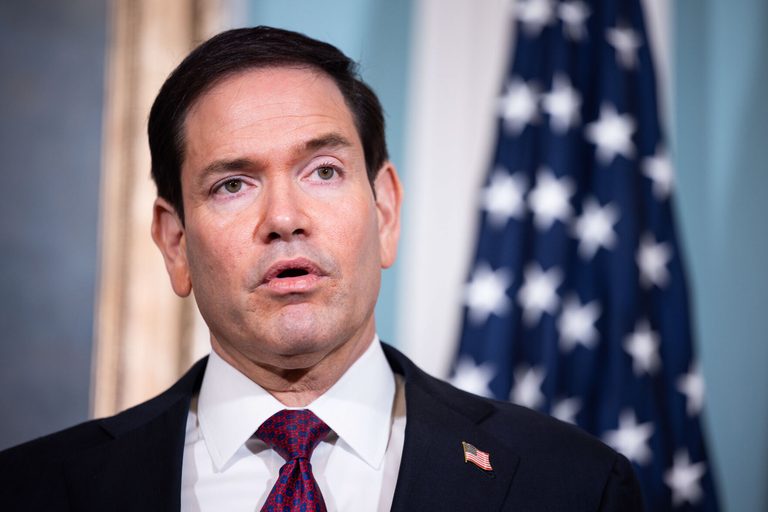
Secretary of State Marco Rubio issued a statement explaining the administration’s position. He called the ICC a “corrupt and fatally politicized supranational court” that has “maliciously abused its authority and exceeded its mandate.” Rubio added that the United States will not tolerate what he described as an assault on state sovereignty.
Trump administration’s broader campaign
This move follows a series of actions taken by the Trump administration aimed at dismantling the ICC’s ability to investigate or prosecute individuals from nations that are not party to the court, including the United States and Israel. The administration argues that the court has overstepped its jurisdiction by pursuing soldiers, commanders and political officials from non‑member states for alleged crimes in Afghanistan, Iraq and Gaza.
ICC’s response
The International Criminal Court quickly responded, stating that the sanctions “undermine the rule of law.” In a brief comment, the court warned that threatening judicial actors for applying the law puts the entire international legal order at risk.
Implications for U.S. foreign policy
By targeting the ICC’s top officials, the United States is sending a clear message that it will defend its sovereignty and protect its service members from what it views as politically motivated prosecutions. The sanctions also signal a willingness to use economic tools to pressure international institutions that the administration believes do not respect the constitutional rights of U.S. citizens.
Background on the ICC controversy
Since the court’s establishment in 2002, the United States has been wary of its jurisdiction. The ICC’s investigations into alleged war crimes involving U.S. forces in Afghanistan and Iraq have drawn criticism from Republican leaders who argue that the court lacks proper checks and balances. The Trump administration has previously withdrawn the United States from the ICC’s jurisdiction and has taken steps to limit cooperation with the court.
What comes next?
It remains to be seen whether the sanctions will have a material impact on the ICC’s operations or whether they will prompt further diplomatic disputes. Observers note that the move could set a precedent for future administrations to use financial sanctions against international officials deemed hostile to U.S. interests.
Associated Press writer Mike Corder in The Hague contributed to this report.
Original reporting: KTBS 3 (Shreveport) — read the source article.