In a sweeping overhaul of America’s overseas assistance, the Trump administration has discontinued the United States Agency for International Development (USAID), once the world’s largest humanitarian donor, and replaced it with a streamlined, partnership‑focused foreign aid strategy. The change reflects the administration’s commitment to efficient use of taxpayer dollars and to aligning aid with core U.S. interests.
Why the shift?
Since its creation in the early 1960s under President John F. Kennedy, USAID was praised for promoting goodwill and soft‑power diplomacy. Critics, however,—including President Trump, argued that the agency was wasteful and poorly managed. The administration’s decision to dissolve USAID was presented as a move to cut bureaucracy, reduce duplication, and ensure that every dollar spent abroad directly supports American security and health objectives.
New model: direct bilateral agreements
Under the new framework, the United States now negotiates bilateral agreements with foreign governments rather than routing funds through non‑governmental organizations. These agreements allow the U.S. to channel assistance straight to partner nations in exchange for tangible concessions, such as access to health data that can help detect and contain infectious disease outbreaks. The State Department asserts that this approach is more transparent, reduces administrative overhead, and strengthens diplomatic leverage.
Impact on health and humanitarian assistance
The administration maintains that America still leads the world in health and humanitarian spending. While the former USAID structure funded a broad array of programs, the current strategy concentrates resources on initiatives that directly benefit American citizens—such as preventing pandemics that could cross borders and supporting stability in regions that pose a security threat. Officials note that the United States continues to spend more on health assistance than any other nation.
Critics and concerns
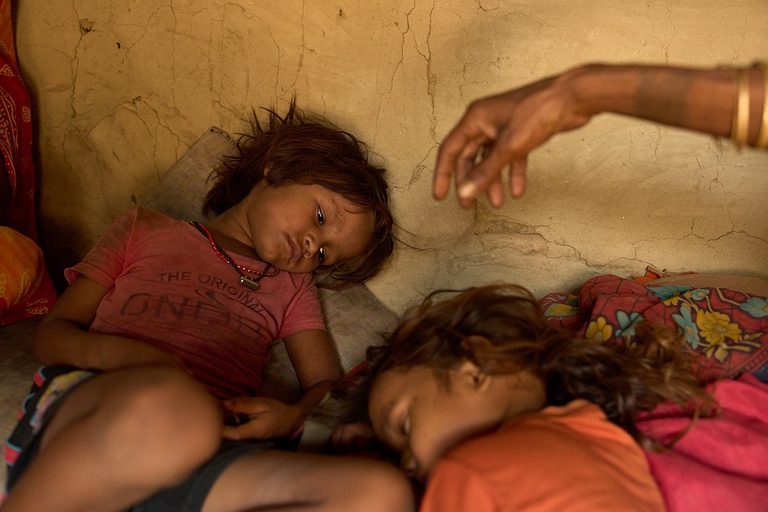
Some international observers and advocacy groups have warned that the cuts could exacerbate hunger, disease and child mortality in vulnerable regions. Reports from the Associated Press link reduced nutrition programs to increased deaths among pregnant women and children in Nepal, Myanmar, Nigeria and Somalia. The Gates Foundation has projected that 2025 could see a rise in child deaths worldwide if current funding trends continue.
Critics also raise privacy concerns about the U.S. request for access to foreign health data. Several countries have expressed hesitation, fearing that personal medical records could be used beyond the stated public‑health purpose.
Administration response
In a statement to the press, the State Department emphasized that the new foreign‑aid strategy is “more efficient, effective and partnership‑oriented.” The department added that the United States expects other nations to share the burden of global humanitarian challenges, stating, “The rest of the world needs to contribute more and share the burden.”
What this means for Americans
By focusing aid on projects that advance U.S. security and health interests, the administration argues that taxpayers receive greater value for their contributions. The shift also aligns with broader fiscal priorities, ensuring that limited federal resources are directed toward core domestic needs while still maintaining America’s leadership in global health security.
Looking ahead
As the new foreign‑aid model takes shape, policymakers and watchdog groups will continue to monitor its outcomes. The administration pledges ongoing evaluation to ensure that aid delivers measurable benefits to both partner nations and the American people. Future reports will assess whether the streamlined approach succeeds in reducing waste, enhancing diplomatic leverage, and safeguarding U.S. health security.
Original reporting: Texarkana Gazette — read the source article.