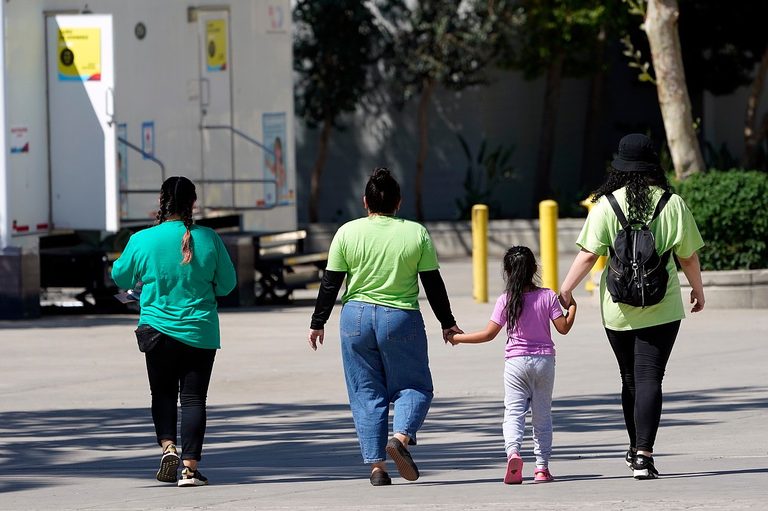
The Trump administration announced a procedural shift for the roughly 1,800 unaccompanied migrant children currently in federal custody. Caregivers are now instructed to forward any suspected labor or sex trafficking concerns to the Office of Refugee Resettlement (ORR) rather than the Office of Trafficking in Persons (TIP), which was created in 2015 to handle such cases.
Administration rationale
In a September 10 memo, the administration explained that the new process will “streamline the reporting, tracking and referral of trafficking‑related concerns” and reduce the high volume of reports that do not rise to the level of criminal human trafficking. The ORR statement supporting the change noted that a 2023 review found 95% of more than 9,000 reports were deemed not viable trafficking leads for criminal investigators, with most describing alleged abuse or neglect rather than forced labor or commercial sex.
According to the administration, the revised workflow will “strengthen integrity, reduce improper referrals, reduce fraud, and ensure that children who may have experienced trafficking receive immediate support.” The memo also warned that ORR staff must respond promptly to information requests, emphasizing a commitment to timely assistance.
Critics raise concerns
Human‑trafficking advocates and some Democrats argue the change could delay aid and increase the risk of deportation for vulnerable minors. Jean Bruggeman, co‑executive director of Freedom Network USA, said, “This is going to harm children” and warned that the shift may make it easier to deport kids before they receive needed services.
Sen. Ron Wyden (D‑OR) criticized the policy, stating that requiring children and their advocates to report to the same agency holding them in custody “is more evidence that the Trump administration will deport kids to score political points rather than actually protect them.” While Wyden’s concerns reflect a partisan perspective, the administration’s data‑driven rationale focuses on eliminating non‑viable claims that have clogged the system.
Potential impact on children
Under the longstanding policy, caregivers had to screen new arrivals within five days and, if trafficking was suspected, notify TIP within 24 hours. TIP certification previously made children eligible for a program that allowed placement in foster care, attendance at public schools, and eligibility for nutrition, housing, and other public benefits while they pursued visas or asylum.
By routing reports through ORR, the administration aims to ensure that only credible trafficking leads reach TIP, preserving resources for genuine victims. The ORR noted that 58% of past reports qualified for trafficking‑related benefits, indicating a substantial number of legitimate cases that will still receive attention after the additional review.
Expert commentary
Jen Smyers, former deputy director of ORR during the Biden administration, questioned the efficacy of the change, noting that ORR lacks the specialized expertise of TIP. She warned that political pressure could lead to fewer referrals and that the added layer might delay assistance. While Smyers raises valid operational concerns, the administration’s emphasis on data‑driven reform seeks to balance efficiency with protection.
Overall, the Trump administration’s policy adjustment reflects its broader hard‑line immigration agenda, aiming to tighten oversight while preserving aid for children who truly need it.
Original reporting: Texarkana Gazette — read the source article.