The Trump administration has moved to pause routine federal permits for 165 land-based energy projects, a sweep that reaches into states like Texas where dozens of those projects are located. This article looks at what that pause means, why it matters to landowners and state officials, and how the pause follows years of resistance to certain offshore wind initiatives.
For years the Trump administration pushed back on offshore wind for reasons ranging from local impact to national security concerns, and that skepticism now appears to be expanding to land-based developments. Pausing routine permits gives federal agencies time to revisit assumptions, check for unintended consequences, and ensure that projects comply with laws on environmental review and land use. That kind of caution appeals to people who want Washington to stop acting on autopilot and to protect private property and local control.
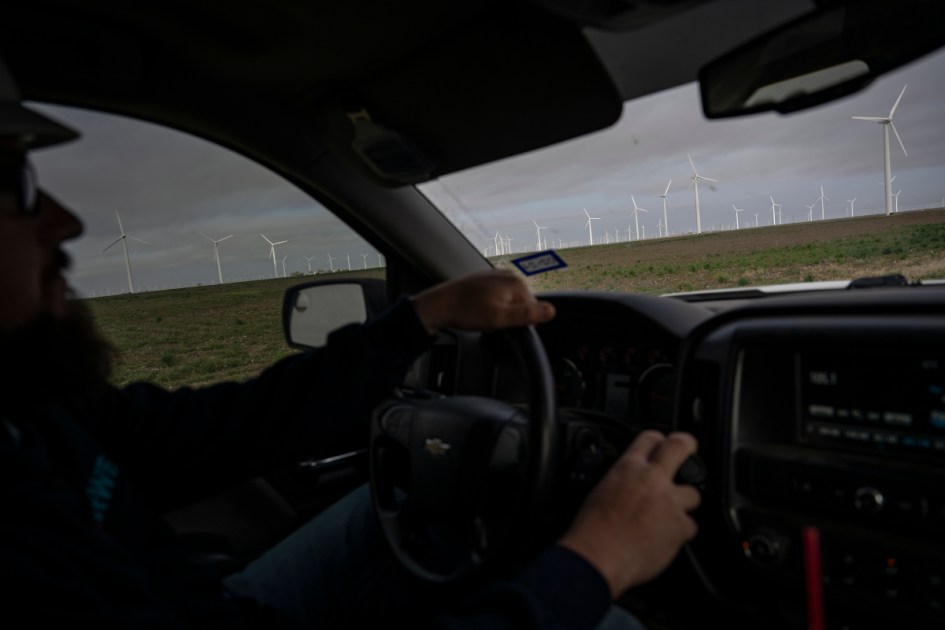
The pause covers 165 projects, and its footprint includes dozens in Texas where energy activity and land use fights are familiar. Texas landowners and county officials have long clashed with developers over siting, road use, and compensation for private land taken or affected by large projects. A federal pause forces a fresh look at those conflicts and gives state leaders a chance to press for clearer rules that respect local priorities.
From a regulatory perspective, a pause on routine permits is procedural but powerful. It slows approvals, triggers more detailed reviews, and can change timelines for construction and financing. Developers complain about unpredictability, while communities say unpredictability from unchecked approvals is worse; Republicans generally see targeted pauses as a tool to restore balance and accountability in permitting decisions.
There are real economic stakes tied to this move. Pausing permits will delay some work, and any delay has ripple effects for contractors, suppliers, and local payrolls. At the same time, reckless permitting that ignores grid impacts or damages farmland can cost taxpayers far more over time. The calculation many Republicans favor is simple: vet projects fully up front rather than clean up expensive mistakes later.
Energy policy is also part of the picture. Land-based projects touch transmission lines, right of way issues, and grid reliability, all of which matter for Texas where the grid is famously its own animal. A federal pause can force better coordination between federal agencies and state regulators so that new infrastructure actually strengthens reliability instead of creating seams or vulnerabilities down the line. That kind of coordination tends to get better outcomes for consumers and for the economy.
Opponents will frame the pause as anti-job or anti-investment, and those critiques have weight when communities are counting on construction jobs. Still, a careful permitting process can protect jobs in the long run by preventing litigation, landowner backlash, or costly retrofits. Republicans often argue that short-term headlines about delays shouldn’t trump long-term certainty and respect for property rights.
Practically, the pause means applicants should expect longer review windows and stricter documentation. Agencies will likely revisit studies, seek more local input, and reassess environmental and land-use impacts before reissuing routine approvals. For Texans who value local control and clear rules, the extra scrutiny is welcome; for developers, it is a signal to tighten plans and engage stakeholders early.