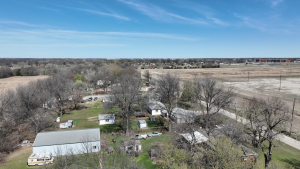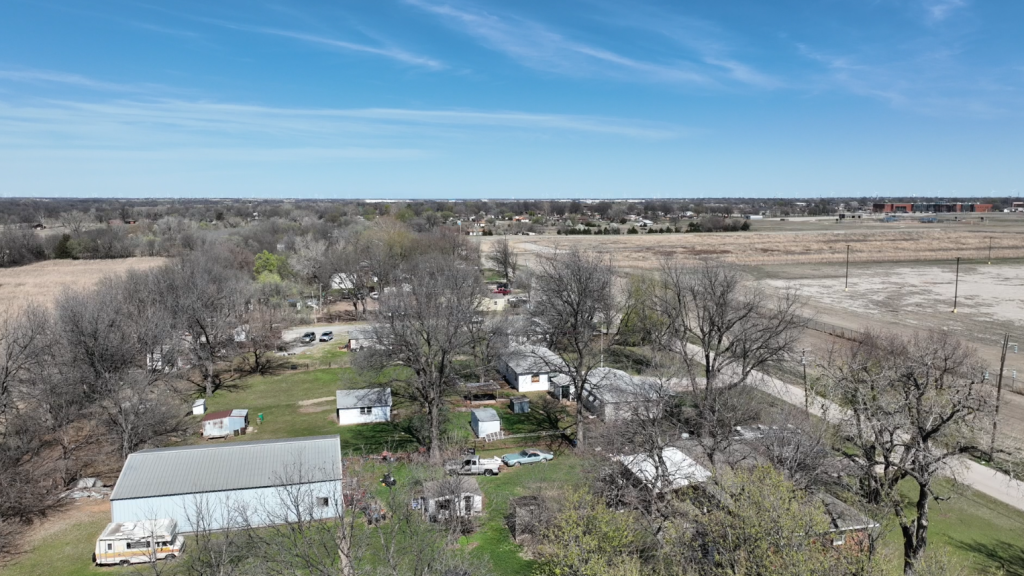
A quiet Oklahoma town woke up to a thin, smoky film dusting lawns, porches and cars, and the sight pulled people back to memories they had left alone. Neighbors who had lived here for decades said the powder looked familiar in a way that made them uneasy, and the feeling spread faster than the dust itself. Streets that usually hum with routine turned into clusters of conversations and cautious inspections as folks compared notes and photos.
People described the dust as fine and black, clinging to window sills and settling into cracks where it was slow to wipe away, which made everyone wonder where it came from. Children were kept indoors while parents checked basements and air filters, and homeowners posted pictures to private neighborhood groups to see if anyone else had it. The visual sameness across blocks suggested a single event or source rather than isolated incidents.
Several long-time residents said the sight reopened old chapters they had hoped were closed, recalling industrial smells and ash that once drifted in from distant factories. Those memories are part of the town’s living fabric and they shaped how people reacted, from immediate worry to organizing quick cleanups. For many, the dust was less a new mystery and more an unwelcome reminder of past environmental scares and health concerns.
Local officials moved quickly to gather samples for testing, telling residents the first priority was to determine whether the particles posed a health risk. That testing will take time, so in the short term officials recommended basic precautions like closing windows and limiting time outdoors for people with respiratory issues. The formal statements aimed to calm nerves while public health teams worked through lab results and chain-of-custody requirements.
Scientists and environmental experts consulted for similar incidents pointed to a range of possible causes, from nearby construction activity and uncontained agricultural burns to upwind industrial releases, but pinpointing a source requires data. Wind patterns, recent permits for dust-generating projects and even small fires can explain airborne particles, yet the black color narrows the field and raises specific questions about composition. Until labs report back, residents are left with speculation and sensible caution.
Health concerns are front of mind, especially for older neighbors and people with asthma or heart conditions who feel particularly vulnerable to airborne irritants. Doctors advising communities in such situations generally stress symptom monitoring and seeking medical help for breathing difficulties or unusual rashes, because early treatment can prevent complications. Local clinics reported a modest uptick in calls, mostly for reassurance and guidance rather than emergencies.
Cleanup efforts started almost immediately in many places, with volunteers sweeping porches and washing outdoor furniture, while others focused on documenting the event with photos and timestamps to help investigators. Volunteers organized distance-cleaning teams for those who could not safely handle the dust themselves, and community leaders coordinated with county crews for more thorough street-level work if tests showed contamination. That grassroots response underscored how a small town leans on neighborliness when things feel uncertain.
Officials emphasized transparency about timelines and promised to share lab findings as soon as they were available, which kept expectations realistic without dismissing concerns. County environmental coordinators scheduled public updates and said they would post test results and next steps, aiming to remove ambiguity that feeds rumor. Meanwhile residents pressed questions about permits, recent industrial activity in the region and whether monitoring could be increased to catch future events earlier.
As teams collect air and surface samples and await lab reports, daily life goes on with extra caution and a new watchfulness built into routines. People check porches and car hoods the way they once checked weather, and neighborhood groups keep a running log of any new smears or unusual smells. The town is attentive now in a way that mixes unease with practical action, waiting for scientists to tell them whether the dust is an isolated nuisance or something that needs a longer, coordinated response.