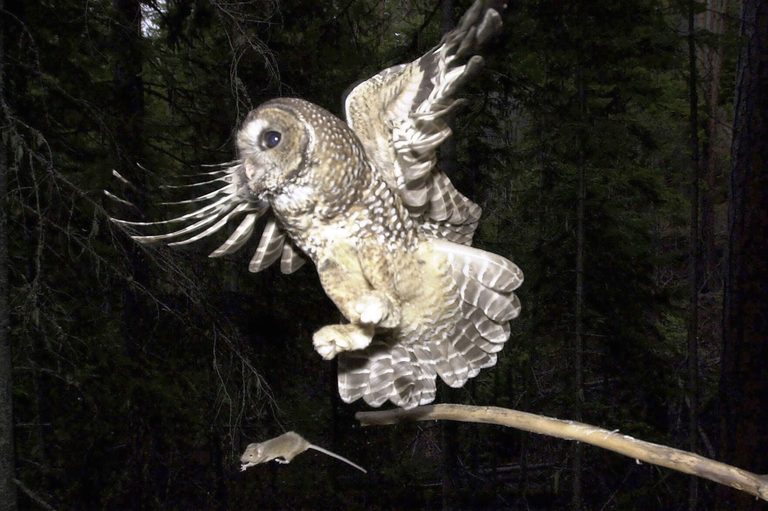
In a directive released this week, the U.S. Fish and Wildlife Service (FWS) clarified that the Endangered Species Act (ESA) will only consider it illegal to kill an imperiled species when the animal is specifically targeted. The guidance, signed by FWS Director Brian Nesvik, reflects the Trump administration’s effort to return the ESA to the intent Congress gave it: to protect species from deliberate harm, not to penalize incidental impacts.
Administration rationale
Officials say the rule corrects a decades‑long expansion of the ESA’s definition of “take” that has burdened businesses with liability for accidental deaths. “The ESA’s prohibition on ‘take’ continues to prohibit conduct such as harassing, hunting, shooting, wounding, killing, trapping, capturing or collecting protected wildlife,” the Interior Department stated, emphasizing that the law still protects against intentional actions.
President Trump has repeatedly argued that over‑regulation stifles economic growth and job creation. By limiting ESA liability to intentional killings, the administration claims it is protecting both the nation’s natural resources and the livelihoods of timber, energy and development companies that drive local economies.
What the rule says
The September 14 guidance explains that activities like felling a tree are not a “take” of bats roosting in it unless the tree is cut specifically to kill or capture the bats. Similarly, incidental deaths of salmon during dam construction would not constitute a violation unless the project’s purpose is to kill the fish.
Under the new interpretation, permits for incidental killings would be required only for parties acting directly against animals—such as hunters, trappers, anglers, or possibly pesticide users—according to Denver attorney Sandi Snodgrass of Holland & Hart, whose clients include developers and energy firms.
Critics and concerns
Environmental groups and former agency officials warn the change could accelerate habitat loss. Dan Ashe, who led the FWS under former President Barack Obama and now heads the Association of Zoos and Aquariums, called the policy a “huge loophole” that “relieves people of any responsibility for their actions, even consequences that can be easily predicted.” The Center for Biological Diversity’s Noah Greenwald described the rule as “basically a free‑for‑all” that puts polluters ahead of the natural world.
State attorneys general and conservation NGOs have already filed lawsuits seeking to block the guidance, arguing that it undermines the ESA’s proven track record of bringing back iconic species such as the bald eagle, American alligator and California condor.
Legal backdrop
The administration cites a 2024 Supreme Court decision that limited federal agencies’ authority to reinterpret environmental statutes, arguing that the ESA should be applied narrowly as originally written by Congress. The guidance leans on a dissenting opinion from the late Justice Antonin Scalia in a 1995 case, reinforcing the administration’s claim that the rule is grounded in established legal reasoning.
While the rule narrows liability, the FWS says it will continue to enforce prohibitions on intentional harassment, pursuit, hunting, shooting, wounding, killing, trapping, capturing or collecting protected wildlife.
Potential impact
Supporters say the clarification will give businesses clearer rules, reduce costly litigation, and encourage responsible development without fear of inadvertent ESA violations. Opponents fear it could lead to increased incidental deaths of endangered species and open the door to broader habitat destruction.
As the debate continues, the Trump administration remains firm that the guidance restores balance between conservation and economic freedom, aligning with the Constitution’s protection of private property and the nation’s tradition of responsible stewardship.
Original reporting: KTBS 3 (Shreveport) — read the source article.