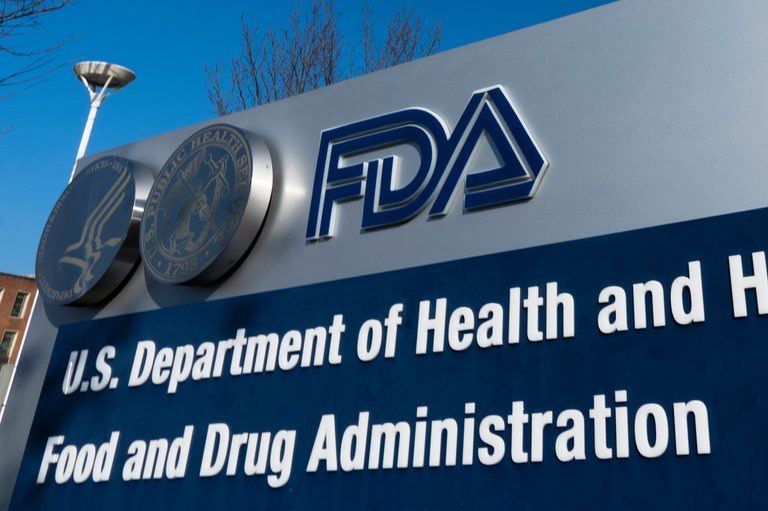
The Trump administration announced Tuesday that four senior positions at the Food and Drug Administration have been filled on a permanent basis, ending a period of acting appointments and providing much‑needed stability for the agency.
New permanent directors for key FDA centers
Dr. Michael Davis has been confirmed as director of the Center for Drug Evaluation and Research, the FDA’s largest center responsible for the safety and effectiveness of prescription and over‑the‑counter medicines. Davis, who previously led the agency’s psychiatric drug division and returned last year as a deputy director, will now oversee the review of emerging psychedelic medicines such as psilocybin, MDMA and LSD. Both President Trump and Health Secretary Robert F. Kennedy have stressed the importance of accelerating reviews of these promising treatments.
Karim Mikhail, a pharmacist and longtime pharmaceutical executive, was named director of the Center for Biologics Evaluation and Research’s vaccines division. Mikhail stepped into the role after the resignation of Dr. Vinay Prasad, who left amid controversy over vaccine policy, gene‑therapy oversight and the handling of rare‑disease drugs.
Bret Koplow, an attorney with a career at the FDA, will now lead the Center for Tobacco Products. Koplow has served in an acting capacity since the early days of the Trump administration and will guide the agency’s work on nicotine pouches, e‑cigarettes and other tobacco‑related products.
New focus on artificial‑intelligence oversight
The administration also created a new position to oversee artificial‑intelligence and technology matters within the FDA. Jared Seehafer has been appointed to head this office, reflecting the agency’s commitment to modernizing its regulatory framework for emerging digital health tools.
Why these appointments matter
Stability at the FDA is critical for delivering timely access to life‑saving medicines and vaccines while maintaining rigorous safety standards. The Trump administration’s emphasis on swift, science‑based approvals aligns with the President’s broader goal of reducing regulatory bottlenecks that hinder innovation.
Critics have raised concerns about the agency’s recent policy shifts, particularly around COVID‑19 vaccine requirements and flavored e‑cigarette regulations. However, the administration argues that these changes are intended to protect public health while respecting parental rights and the freedoms of lawful businesses.
By confirming permanent leaders and adding an AI oversight role, the Trump administration aims to ensure that the FDA can continue its mission of safeguarding the health of Americans without the disruption of frequent leadership turnover.
Original reporting: Alexandria, VA News – WTOP News — read the source article.