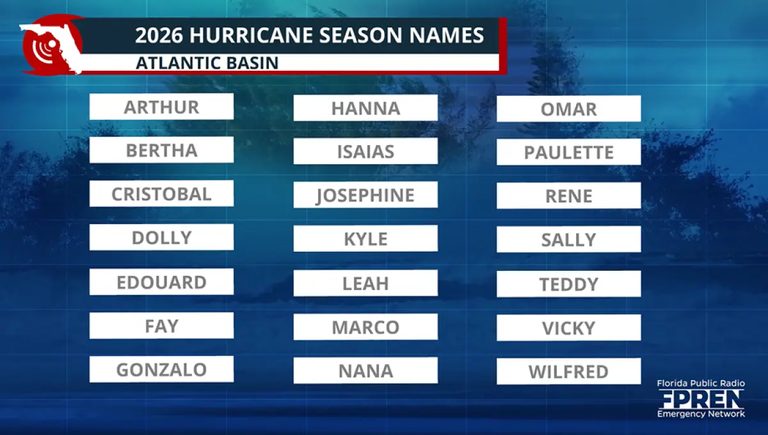
Tropical Storm Dolly emerged Thursday in the central Atlantic, about 1,500 miles east of the Lesser Antilles. The system, the fourth named storm of the 2026 Atlantic hurricane season, originated from a tropical wave originally labeled Invest 96L southwest of the Cabo Verde Islands.
Current intensity and forecast
At its peak Dolly produced maximum sustained winds of roughly 40 mph. The National Hurricane Center (NHC) expects the storm to weaken quickly, losing its tropical characteristics and dissipating by early next week. Only a tiny fraction of computer models—less than 1%—show Dolly persisting long enough to approach Florida, a scenario the NHC will continue to monitor given the season’s peak in September.
Potential impacts on the Caribbean
Even as Dolly weakens, forecasters will keep an eye on the system because it could bring heavy rain and gusty winds to the Leeward Islands. Any additional rainfall is welcome news for parts of the Caribbean still grappling with historic drought conditions.
El Niño and storm development
The storm’s formation coincides with an El Niño phase of the El Niño‑Southern Oscillation, a pattern that often creates hostile conditions for tropical cyclones in the Atlantic. Those conditions are expected to limit Dolly’s lifespan and reduce the likelihood of regeneration once it passes the islands.
Historical context
The name “Dolly” has been on the Atlantic naming list since the 1950s and was added to the rotating roster in 1996. The next name on the 2026 list is Edouard.
What residents can expect
Residents of the Lesser Antilles and surrounding islands should stay tuned to local weather updates, especially for potential flash‑flood warnings. While the storm is not projected to make landfall, the associated rain bands could still produce localized flooding or brief periods of strong wind.
Overall, the outlook remains that Dolly will not become a major threat to land, but the National Hurricane Center will continue to monitor the system as it moves westward across the Atlantic.
Original reporting: Jacksonville Today — read the source article.