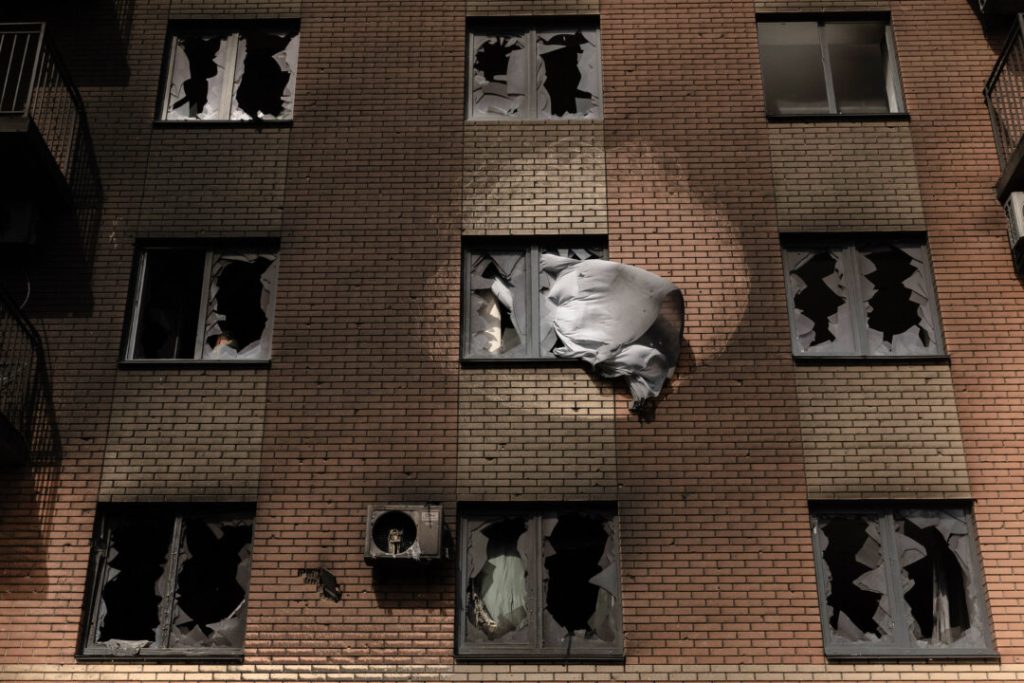
I’ll explore why photography matters, how light and composition tell stories, practical steps to sharpen your eye, the role of smartphones and gear, ethical choices around photographing people and places, and ways to share images that keep their meaning. The piece will stay focused on the craft and culture of photography while keeping “A glimpse into the world through the lens of photography.” in view. You’ll get a mix of ideas, attitude, and action you can use whether you shoot with a phone or a mirrorless camera.
Photography is simple and sneaky at the same time: it freezes motion, bottles atmosphere, and hands you a version of truth you can hold. That power makes it more than hobby or profession; it becomes a habit of seeing. “A glimpse into the world through the lens of photography.” is exactly what it promises — a moment rendered so others can feel it.
Light is the single thing that changes an image from flat to electric, and learning to read it is where most progress starts. Watch how shadows fall, notice the color temperature, and make the hard choice to move five feet left or right to catch better light. Small shifts in angle or time of day often matter more than upgrading lenses.
Composition is storytelling without words, and it obeys a few dependable rules even when you break them on purpose. Use negative space to give a subject room to breathe, frame with foreground elements to add depth, and remember that tension is often more interesting than symmetry. Aim for an image that raises a question in the viewer rather than one that answers everything at once.
Gear gets a lot of attention, but the best image makers start with curiosity, not a credit card. A smartphone in a curious hand beats an expensive kit carried like a talisman by someone who shoots nothing. Learn your tools — whether it’s exposure compensation on a phone or manual aperture control on a mirrorless camera — and then forget the manual and look for the story.
People make pictures matter, and photographing strangers comes with responsibility as well as possibility. Ask consent when you can, respect private grief or delicate moments, and never weaponize a camera for ridicule. Ethical choices are part of the craft and help images age with dignity rather than courting short-lived clicks.
Editing is where intention meets clarity, so be rigorous but not ruthless with your edits. Crop for focus, dodge and burn to guide the eye, and use color grading to nudge mood without rewriting reality. A touch here and there can elevate a frame, but heavy-handed filters tend to erase the nuance that made the photo interesting in the first place.
Sharing photos is a social act, and how you present an image changes how it’s received. Pair images with short, honest captions that add context instead of trying to over-explain. Build a small, consistent body of work rather than chasing viral hits, and let an honest archive speak for the long term.
Practice is your best teacher, so build a manageable routine that stretches your eye and your instincts. Shoot a subject from many angles, revisit locations at different times of day, and set constraints that force creativity — like a single lens for a month. Over time you’ll find a voice in the images you keep returning to, and that voice will tell the truest stories you can make.