For generations of American students, a sharpened No. 2 pencil has been a familiar companion on the path from learning to adulthood. It writes first letters, erases mistakes, and even offers a moment of doodling during daydreams.
Why the No. 2 Pencil Stands Out
While the pencil itself was not invented in the United States, American industry gave it the distinctive look and function that families recognize today. Historian Caroline Weaver notes that painting the pencil yellow and attaching an eraser on top were uniquely American innovations. Until the mid‑1800s, pencils sold in the United States lacked erasers, a feature still common abroad.
John Thoreau, father of the famed writer Henry David Thoreau, ran a Massachusetts pencil company in the mid‑19th century. He helped establish the grading scale of 1 to 4, with No. 2 striking a balance of graphite and clay that provides dark, legible writing without excessive smudging. Outside the United States, the same hardness is identified by the “HB” designation.
The Ferrule and the Eraser
Another American contribution is the ferrule—a metal band that secures the eraser to the pencil’s end. During World War II, material rationing briefly replaced metal ferrules with plastic and even cardboard, but the design returned after the war.
From Test‑Taking to Digital Classrooms
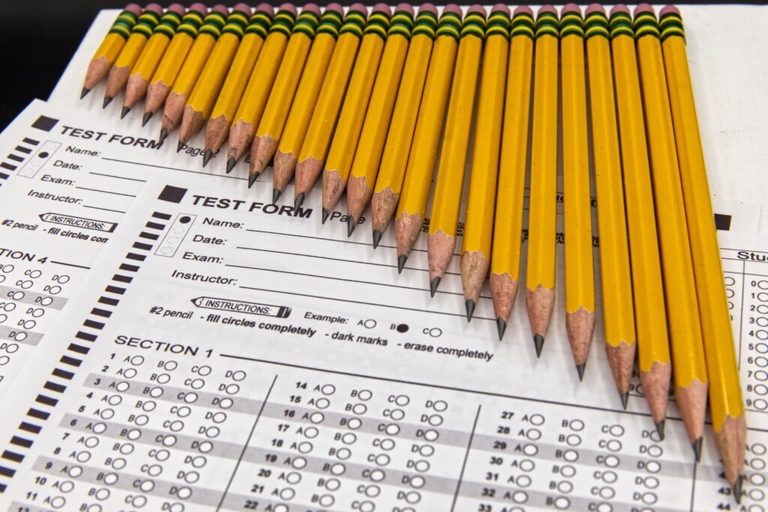
For decades, students were instructed to bring two sharp No. 2 pencils for standardized tests such as the SAT, a practice rooted in the belief that Scantron machines read the specific graphite composition of these pencils. Whether that technical claim is accurate remains debated, but the tradition endured.
Today, much testing has moved online, with laptops and touchscreens appearing in classrooms as early as kindergarten. Yet the rise of digital assessment has sparked a counter‑movement. Many schools and colleges now require handwritten exams to guard against cheating and to give students a break from screens.
A Symbol of Democratic Access
Weaver argues that the No. 2 pencil embodies democratic principles: regardless of background or location, every student has used the same simple tool to record ideas, solve problems, and even relieve stress by chewing on its wood.
As technology continues to evolve, the humble No. 2 pencil remains a reminder that some American traditions endure because they serve the whole community—students, parents, and teachers alike.
Original reporting: Alexandria, VA News – WTOP News — read the source article.