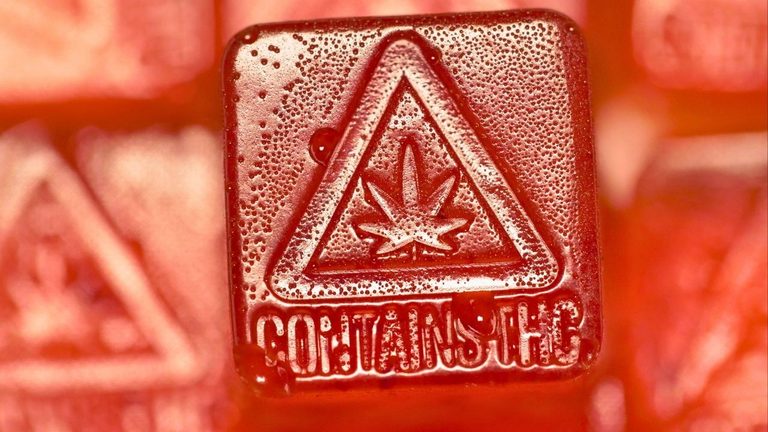
Beginning July 31, the Texas Department of State Health Services (DSHS) will reclassify a broad range of hemp and THC products as controlled substances. This change primarily targets manufactured Delta-8 and other non-Delta-9 isomers, which are often used in high-potency gummies, vapes, and edibles.
What’s Changing
The current fight centers on how Texas treats Delta-8 and other THC isomers that aren’t Delta-9. In October 2021, DSHS expanded its Schedule of Controlled Substances definitions of “tetrahydrocannabinols” and “marihuana extract” to include those isomers. A Travis County court quickly blocked the change, but the Texas Supreme Court ruled in favor of DSHS in May 2026, upholding the agency’s authority.
A key distinction in the July 31 rules is between naturally occurring and manufactured cannabinoids. Naturally occurring Delta-8 and similar isomers appear only in tiny trace amounts in the hemp plant. As long as a finished product stays at or below the 0.3% Delta-9 THC limit, those trace amounts remain legal.
Impact on Businesses and Consumers
Toby Streett, founder of CBDeeme.com, noted that the shift creates real headaches up and down the supply chain. Retailers now have to verify how each cannabinoid was made, whether lab reports match the label, and whether banks and payment processors will even touch the product.
For consumers, Streett cautioned that a product being available online doesn’t mean it’s legal to buy or possess in Texas. The legality of the purchase, shipment, and possession may depend on the cannabinoid, how it was manufactured, and where the transaction occurs.
Original reporting: The Dallas Express — read the source article.