Texas’ Supplemental Nutrition Assistance Program (SNAP) enrollment fell to 2.8 million in September, the lowest level since August 2009, according to the Texas Health and Human Services Commission (HHSC). The decline mirrors a national dip, with SNAP participation across the United States also at a 17‑year low.
Federal policy changes drive the drop
The sharp decline follows the passage of the One Big Beautiful Bill Act (OBBBA) by Congress last year. The legislation expands work‑requirement eligibility and imposes penalties on states with high error rates for over‑ or under‑paying benefits. Compared with September 2025, Texas’ SNAP enrollment dropped 20.8 %, the steepest year‑over‑year decline in two decades.
Processing backlog slows assistance
HHSC is also grappling with a growing backlog of unreviewed applications. In September, only 64 % of SNAP applications were processed within the 30‑day federal benchmark, down from 91 % a year earlier. The federal government requires a 95 % timeliness rate or states risk losing funding.
“New SNAP mandates require a thorough review of each case to ensure program integrity and accuracy,” said Guillermo Zenizo Lindsey, an assistant press officer for HHSC. “HHSC will continue supporting eligible Texas families as quickly as possible.”
Impact on children and families
Children, who comprise roughly half of SNAP recipients, were hit hardest. About 1.4 million children remain enrolled, but enrollment losses among minors under five are the lowest in more than 20 years. Advocacy groups warn that the backlog may leave vulnerable families without needed nutrition assistance.
“We don’t want kids or seniors going to bed hungry because state workers can’t get through the stack of SNAP applications piling up in their office,” said Diana Forester, director of health policy for Texans Care for Children.
State response and fiscal concerns
HHSC Executive Commissioner Stephanie Muth identified reducing the program’s error rate as a top priority in the 2028‑2029 budget request. She noted that if Texas fails to lower its near‑9 % error rate to below 6 %, the state could face up to $2 billion in additional costs.
“Every improvement in accuracy helps protect taxpayer dollars and reduce the state’s exposure to these new costs,” Muth said.
Local business and community effects
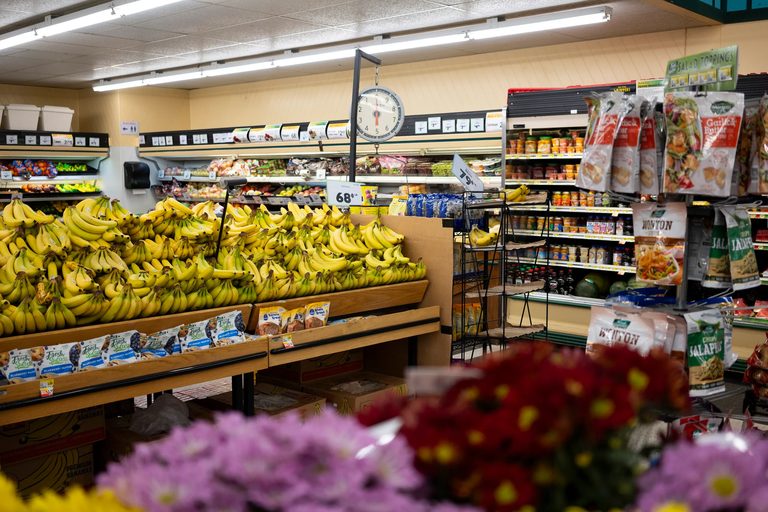
Rural areas, where SNAP participation rates are traditionally higher, are feeling the ripple effects. Brookshire Brothers, a grocery chain serving East Texas, reported reduced SNAP spending after the OBBBA took effect.
“When families have fewer resources to put toward groceries, the impact extends beyond their households and into the communities we call home,” said Melissa Crager, public‑relations manager for Brookshire Brothers.
The company’s “Brown Bag of Hope” program, which sells $10 bags that feed a family of four and donates the food to local food banks, distributed more than 4,000 bags over the summer.
What’s next?
HHSC says it will continue to enforce work requirements while seeking ways to speed up case reviews. Advocacy groups remain concerned that the combined effect of stricter eligibility and processing delays could leave more Texans without a vital safety net.
Original reporting: San Antonio Report — read the source article.