After spending years in law enforcement, I learned that crime statistics are never just numbers on a page. Every report represents a person whose sense of safety was disrupted, a family dealing with fear, a business owner facing loss, or a victim waiting for answers.
Across Maryland in 2025 alone, there were over 306,000 victims statewide. Those numbers included more than 21,000 motor vehicle thefts, nearly 9,000 robberies, and more than 100 human trafficking victims identified, according to the Maryland State Police.
Modern Crime Requires Modern Tools
Criminals today move quickly between jurisdictions, often using stolen vehicles, coordinated networks, and technology to avoid detection. Human trafficking operations, vehicle theft rings, organized retail theft, and violent offenders rarely operate within neat geographic boundaries. By the time investigators connect the dots, suspects may already be counties or states away.
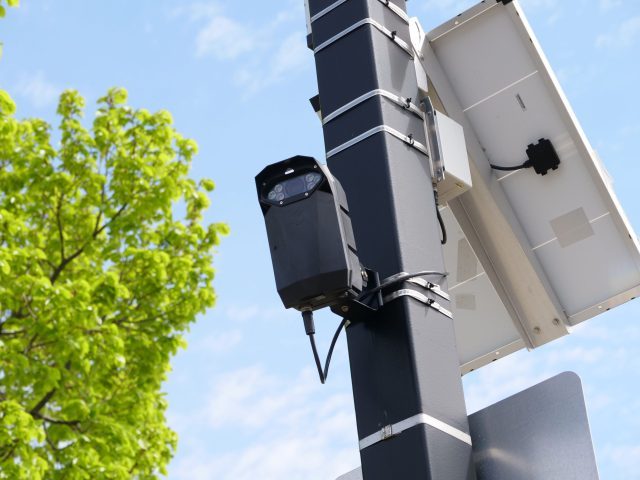
That is why modern investigative tools, including License Plate Reader (LPR) technology, have become increasingly important in supporting law enforcement efforts. LPR systems help officers identify stolen vehicles, locate suspects connected to violent crimes, and develop critical investigative leads in time-sensitive situations.
These systems are not a replacement for police officers, investigators, or community policing. Good policing still depends on training, judgment, relationships, and public trust. But technology can help officers work more effectively by providing information faster and helping agencies coordinate across jurisdictions in ways that were far more difficult just a decade ago.
The statistics coming out of Maryland are not abstract. They represent real victims, real families, and real communities looking for solutions. We owe it to them to use every responsible resource available to help keep our neighborhoods safer.
Original reporting: Baltimore Fishbowl — read the source article.