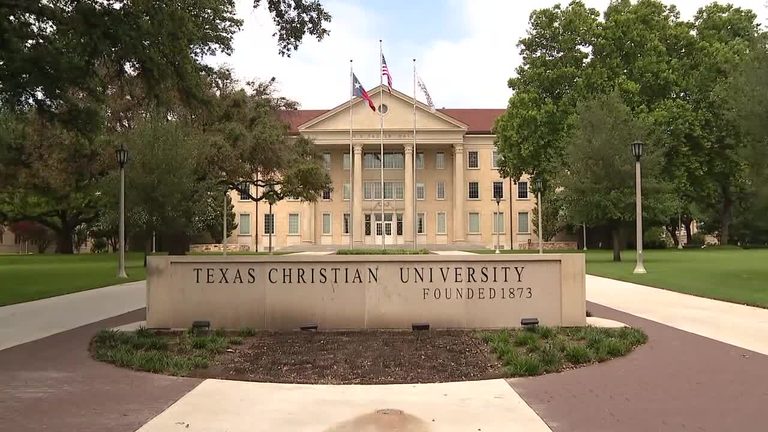
Fort Worth – A federal lawsuit filed in Virginia accuses Texas Christian University of violating the Virginia Consumer Protection Act by making false statements about campus safety during its recruitment efforts. The plaintiff, identified only as Jane Doe, says she chose TCU because the university advertised a “safe” environment for women, a claim she now calls a blatant misrepresentation.
Allegations and timeline
According to the complaint, Jane Doe was sexually assaulted on campus in October 2024 while unconscious and unable to consent. She reported the incident to TCU’s Sexual Assault Hotline and the Office of Institutional Equity, which handles Title IX complaints. The following month she retained counsel, and the university began interviewing witnesses.
In February 2025, TCU convened an all‑day hearing that found the male student guilty of raping Jane Doe. The hearing panel imposed a modest sanction: a three‑ to four‑page paper on the importance of mutual consent, a private discussion with a faculty member, and a requirement to rewatch short orientation videos on consent. Jane Doe appealed the outcome, but the appeal was denied. In April 2026, TCU moved to dismiss the case, arguing the court lacked jurisdiction in Virginia and that some of the plaintiff’s allegations were unsubstantiated.
University’s response
TCU’s attorneys point out that the university’s vice chancellor for Student Affairs reviewed the hearing’s sanctions and deemed them insufficient. The vice chancellor increased the penalties, suspending the respondent for the remainder of Jane Doe’s enrollment or for two academic semesters, whichever is longer.
The lawsuit also references federal reporting requirements for colleges. It notes that between 2020 and 2024 TCU recorded 564 reports of sexual assault, but claims that fewer than 5 % of those reports resulted in formal investigations. TCU disputes that figure, saying the comparison is “inherently flawed” because the data may include duplicate entries.
TCU adds that Texas Senate Bill 212 imposes stringent reporting requirements, yet many complainants choose to remain anonymous or are reluctant to pursue disciplinary hearings. The university says each report includes a list of reasons why a complaint may not proceed to a formal disciplinary process.
Legal claims and damages sought
Jane Doe’s attorneys state that she no longer attends TCU due to the trauma she endured. They are seeking a jury trial and $250 million in damages, alleging that the university’s deceptive recruitment and handling of the assault violated state consumer‑protection laws.
Context
The case highlights ongoing national debates about how colleges address sexual assault, the balance between protecting survivors and ensuring due process, and the transparency of campus safety statistics. While TCU maintains that it followed applicable state and federal guidelines, the lawsuit underscores the challenges universities face in navigating Title IX obligations and public expectations of safety.
The source of this report is FOX 4’s Dionne Anglin, who gathered information from interviews with attorneys representing both Jane Doe and Texas Christian University.
Original reporting: Dallas – Ft. Worth Feed (HLL/CB) — read the source article.