Halloween is fast approaching in Las Vegas, and while families prepare for trick‑or‑treaters, pet owners must also consider the unique risks the holiday poses for their animals. Local veterinarian Dr. Ambika Vaid explained that everyday items such as candy, decorations, and the influx of costumed visitors can create dangerous situations for dogs and cats.
Common Halloween Hazards for Pets
Sweets and candy are the most obvious threat. Many treats contain chocolate, xylitol, raisins, or nuts—ingredients that can be toxic to pets. Even a small bite can cause vomiting, diarrhea, seizures, or, in severe cases, organ failure. Dr. Vaid emphasized that any candy left on countertops, tables, or the floor is a potential hazard.
Decorative ornaments such as plastic pumpkins, glow‑in‑the‑dark toys, and string lights may look appealing to curious animals. These items can be chewed, swallowed, or become choking hazards. Small parts, batteries, and cords also pose a risk of ingestion or electrocution.
Costumed visitors can unintentionally frighten pets. Loud noises, sudden movements, and unfamiliar costumes may trigger anxiety or aggressive behavior, leading to bites or escape attempts.
Dr. Vaid’s Safety Checklist
- Secure all sweets: Store candy in sealed containers out of reach, preferably in a pantry or high cabinet.
- Choose pet‑friendly decorations: Avoid small, breakable items on the floor. Opt for sturdy, non‑edible décor placed on high surfaces.
- Inspect toys and props: Remove any small parts, batteries, or cords that could be chewed.
- Maintain a safe space: Provide a quiet room where pets can retreat if the front door becomes crowded with costumed trick‑or‑treaters.
- Supervise outdoor activities: Keep dogs on a leash during evening walks and monitor them around other pets and children.
- Know the signs of poisoning: If a pet ingests chocolate, xylitol, grapes, or nuts, contact the veterinary clinic immediately. Symptoms may include drooling, tremors, or rapid breathing.
Additional Precautions for Families
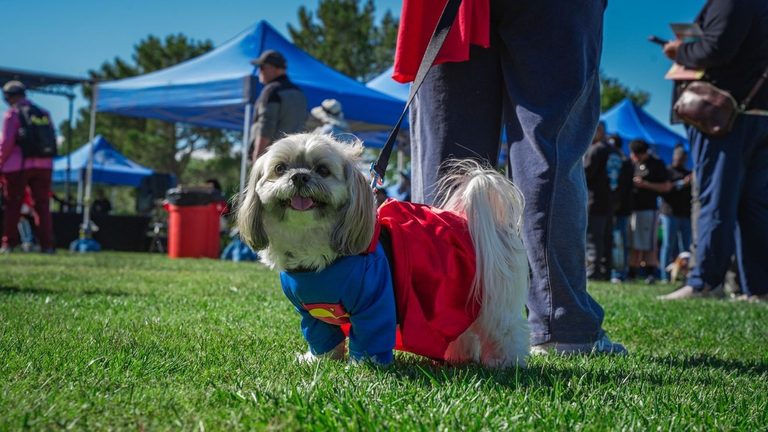
Dr. Vaid also recommended that families keep their pets’ identification tags up to date and consider microchipping, especially if doors are opened frequently for trick‑or‑treaters. She advised against dressing pets in costumes that restrict movement or breathing, noting that while many owners find them cute, they can cause stress or overheating.
For households with multiple pets, Dr. Vaid suggested a brief “practice run” before Halloween night. Walk the dog past the front door while family members wear costumes, allowing the animal to become accustomed to the new sights and sounds.
When to Seek Veterinary Care
If a pet shows any of the following after exposure to Halloween items, call a veterinarian right away: vomiting, diarrhea, lethargy, excessive drooling, tremors, or difficulty breathing. Prompt treatment can be lifesaving, especially with chocolate or xylitol ingestion.
By taking these proactive steps, Las Vegas pet owners can ensure that the holiday remains fun and safe for every member of the household, four‑legged ones included.
Original reporting: News 3 KSNV Las Vegas (local) — read the source article.