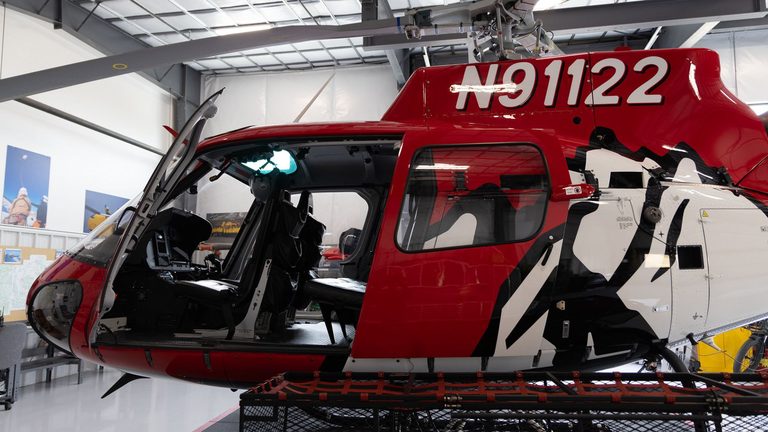
Jackson, WY – Teton County Search and Rescue (TCSAR) has experienced a surge in service calls this summer, but the tally of deployed rescue missions has fallen below the seasonal average. Chief Advisor Anthony Stevens told Buckrail that the uptick in calls may reflect the expanding partnership with Grand Teton National Park (GTNP) and its Jenny Lake Rangers, who often handle helicopter requests without needing TCSAR personnel on the ground.
Call volume versus rescue deployments
While the agency has logged more inquiries, Stevens cautioned that it is premature to draw firm conclusions. “I can’t really speak to the trends because it’s kind of a three‑month period, and whether it’s people self‑rescuing, being safer, or not requesting help when they get hurt, I don’t know,” he said. He added that the summer has seen few mountain‑bike or horseback‑riding accidents, which traditionally generate rescue missions.
Geographic spread of incidents
Data from the 2025 rescue report showed 17 missions on Teton Pass, with 12 occurring after May 31. This year, however, rescues have been more dispersed, reaching Teton Canyon, areas north of Tetonia, and other locations that are not the usual hotspots of Cache Creek and Teton Pass.
New volunteer force bolsters response
Part of the shift stems from a fresh cohort of volunteers living in Teton Valley, Idaho. Nine recruits completed a year‑long intensive training program and are now active in the field. Their proximity to Victor and Driggs reduces the need to page the entire Jackson‑based team for late‑night missions. Stevens praised the newcomers, noting, “They went in and they crushed it… they got that person out with all the skill and grace required of a team member.”
Emphasis on prevention and preparedness
Beyond emergency response, TCSAR stresses the importance of preparation. Stevens urged backcountry users to carry essential gear such as a headlamp, sufficient water, and extra layers for changing mountain weather. He emphasized that calling for help should carry no shame, but also that rescue is not guaranteed. “If it’s the middle of the night and we can’t access it easily, we may opt to come in first thing in the morning,” he explained. Helicopter evacuations remain subject to weather, light, and overall conditions.
Practical tips for hikers and hunters
With late‑summer weather and the start of hunting season, TCSAR recommends that anyone venturing into the backcountry have a clear plan and share their location early. A quick text to 911 can provide responders with a precise point, and callers should stay put until help arrives. Stevens summed up the message: “We just want folks to really know what they’re getting into and make good choices.”
Original reporting: Buckrail (Jackson WY) — read the source article.