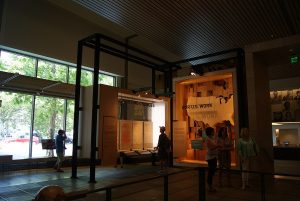
Most people who talk about Stamford’s library system lead with the main Ferguson branch downtown — and honestly, that building earns the praise. But if you want to understand what a neighborhood library can actually feel like when it’s done right, you need to get yourself to the Weed-Havemeyer Branch on Larcom Avenue in the city’s East Side. It is smaller, quieter, and utterly without pretension, and for those very reasons it has become one of my favorite places in all of Stamford.
The branch serves a densely woven residential neighborhood where families have been rooted for generations. Walk in on a weekday morning and you might find a grandmother helping her grandchildren pick out picture books in Spanish, a retired contractor reading the paper in a well-worn chair by the window, and a college student plugged into her laptop working through something that looks painfully like calculus. The scene sounds ordinary, and it is — that’s precisely the point. This is a place that functions exactly the way a public library is supposed to function: as a free, welcoming, genuinely useful room that belongs to everyone.
The collection is thoughtfully curated for the community it serves. Bilingual materials are abundant and clearly not an afterthought. The children’s section feels genuinely inviting rather than institutional — low shelves, bright colors, and a reading area that actually encourages kids to sit down and stay a while. Staff members know regulars by name, which is a small thing that turns out to mean quite a lot.
Programming here tends to run practical and community-focused: literacy workshops, ESL conversation groups, after-school homework help, story hours that draw strollers and toddlers in cheerful numbers. None of it is flashy. All of it matters. There is something quietly radical about a space in a city that never asks anything of you except that you show up.
The East Side neighborhood surrounding the branch rewards a little wandering before or after your visit. The streets are lined with well-kept two-family homes, corner bodegas doing brisk coffee business, and small gardens that suggest people are paying real attention to their patches of the city. It feels like a Stamford that visitors rarely see — less polished than Harbor Point, more textured and alive.
If you are traveling to Stamford and you want to understand a city as something more than its restaurant row and waterfront amenities, spending an hour at Weed-Havemeyer is one of the more honest things you can do. Bring a book to return, or just borrow one. Ask a librarian for a recommendation. Sit near the window. You will leave knowing something true about this city that no brochure could have told you.