There is a moment, somewhere along the sun-dappled boardwalk at Hobe Sound National Wildlife Refuge, when the rest of the world simply falls away. The salt air wraps around you, the rustling sea oats sway like they have somewhere important to be, and a great blue heron stands at the water’s edge with the kind of confidence that only comes from owning the place. That moment is why I keep coming back — and why you absolutely need to put this place on your list the next time you find yourself in the Port St. Lucie and Treasure Coast area.
Officially named the Nathaniel P. Reed Hobe Sound National Wildlife Refuge, this stunning natural sanctuary stretches across more than 1,000 acres of pristine barrier island habitat just a short drive south of Port St. Lucie along U.S. 1 in Hobe Sound. It is managed by the U.S. Fish and Wildlife Service and has been protecting some of the most ecologically significant coastal land in Florida since 1969. But none of that bureaucratic backstory prepares you for the sheer beauty of actually being here.
The refuge is divided into two distinct sections. The mainland unit features the Arthur R. Marshall Nature Center, a small but wonderfully curated visitor center where you can learn about the scrub habitat, see native wildlife displays, and chat with knowledgeable refuge staff who genuinely love what they do. The barrier island unit, however, is where the magic truly happens. Cross the bridge to Jupiter Island and you will find yourself at the entrance to nearly three and a half miles of pristine Atlantic coastline — one of the most important loggerhead sea turtle nesting beaches on the entire planet. Between May and September, female loggerheads haul themselves ashore by the hundreds to lay their eggs, and the refuge runs guided turtle walks that are nothing short of extraordinary.
Even outside of turtle season, the beach here is spectacular. It is wide, wild, and blissfully uncrowded compared to the more developed stretches of South Florida coastline. Swimmers, shell collectors, and anyone who just wants to sit quietly and watch the waves will find exactly what they are looking for. The water is clean and clear, and the absence of high-rises and beach bars gives the whole place a genuinely unspoiled feel that is increasingly rare in this part of the state.
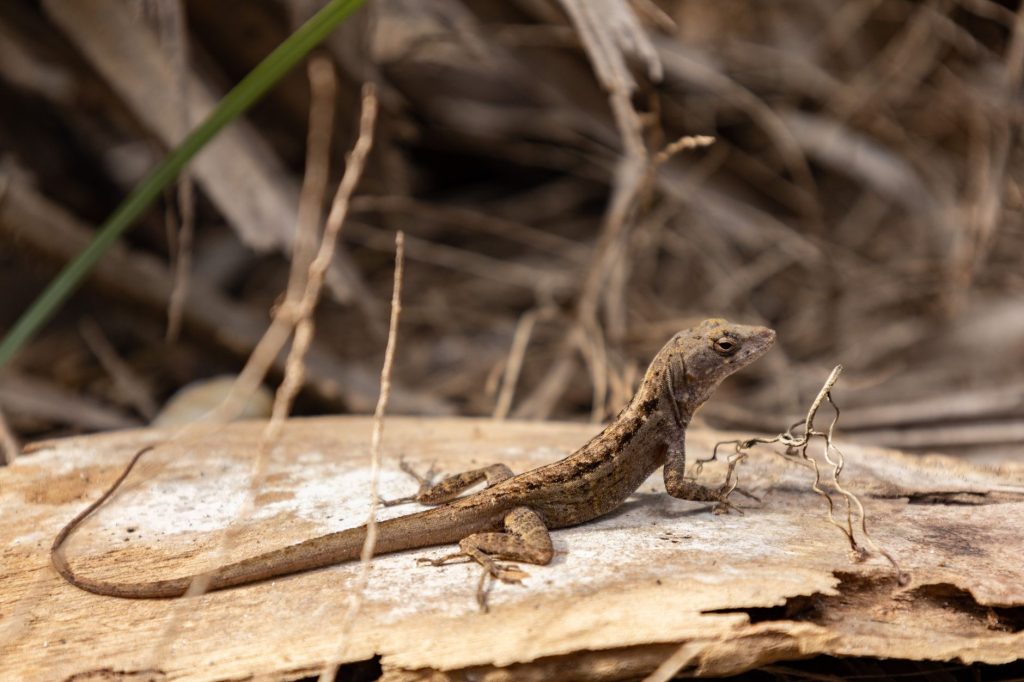
Back on the mainland, the short nature trail winds through a Florida scrub ecosystem — one of the most endangered habitats in the country — where you might spot a gopher tortoise lumbering across the sandy path or a scrub jay calling from the top of a stunted oak. The scrub is dry and sun-bleached and looks almost otherworldly compared to the lush green of the coast nearby, which makes it all the more fascinating to explore.
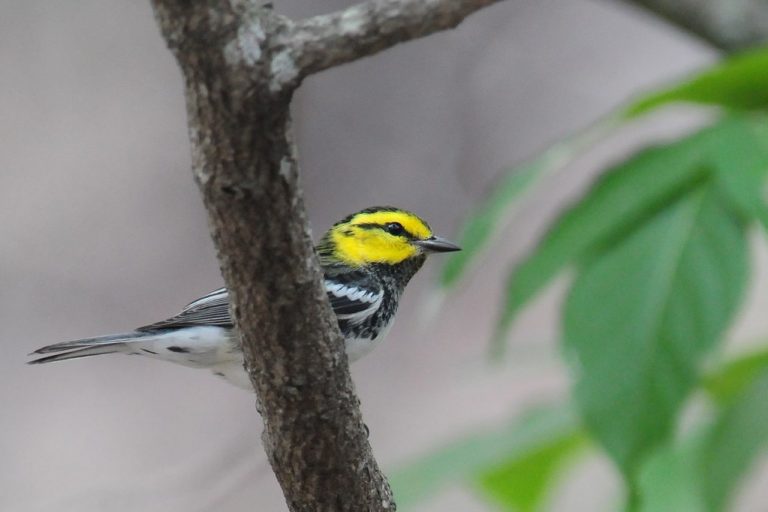
Admission is free, parking is straightforward, and the refuge is open daily from sunrise to sunset. Bring water, sunscreen, and your binoculars, because the birding here is genuinely excellent year-round. Whether you are a seasoned naturalist or someone who just wants a beautiful, peaceful place to spend a few hours away from the noise of everyday life, Hobe Sound National Wildlife Refuge delivers in every possible way. Go soon, go often, and go quietly — this place rewards those who show up with patience and curiosity.