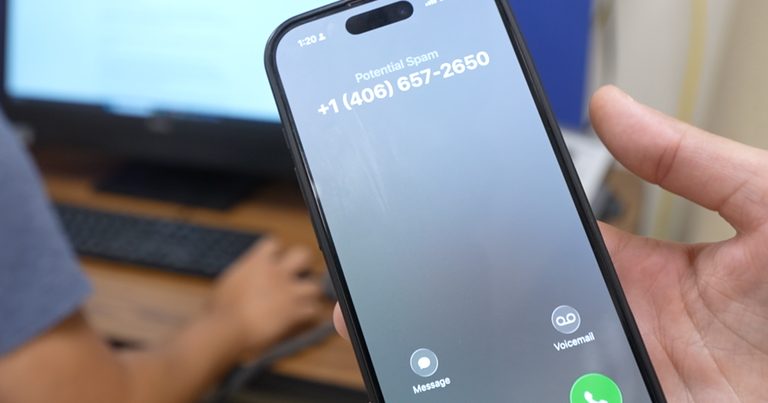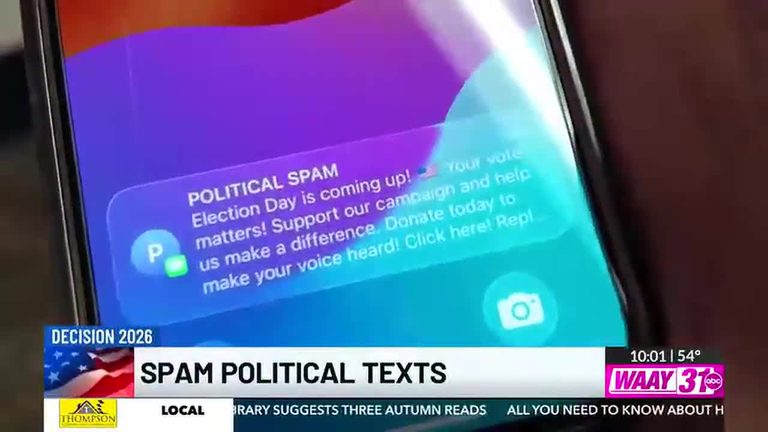
HUNTSVILLE, Ala. – As Election Day draws near, a fresh survey from market‑research firm NumberBarn reveals that the average U.S. voter is being bombarded with political outreach. Respondents reported receiving an average of 13 political calls or text messages per week, a volume that many say is overwhelming.
Voter fatigue and reduced turnout risk
Of the 1,000 adults surveyed, 40 percent said they are already “burned out” by the constant stream of political messages. A further 34 percent admitted that the relentless robocalls and texts make them less likely to vote at all, a worrying sign for civic participation as the midterm elections approach.
Scams and confusion
More than half of respondents indicated that political texts make it harder to distinguish legitimate campaign outreach from scams. The Better Business Bureau (BBB) warned that this confusion creates an opening for fraudsters seeking personal information. “We all receive unwanted text messages and phone calls all year long, but it seems like it’s heightened a little bit. Don’t answer it because sometimes just by nature of answering that phone call, you are letting, if it is a scam, you’re letting scammers on the other end know that is a live number that they can use to continue to call,” said Monica Horton of the BBB.
How to protect yourself
Consumers can take simple steps to limit unwanted outreach. Replying STOP to a spam text often halts further messages from that sender. Unsolicited calls can be reported to the Federal Communications Commission (FCC) through its online complaint portal, where additional tips on blocking and reporting are available.
What the numbers mean for the upcoming election
While the survey does not track changes over time, the sheer volume of political contact underscores the intensity of the current campaign season. The data suggests that many voters are feeling inundated, which could depress turnout if not addressed. Election officials and campaign teams are urged to balance outreach with respect for citizens’ privacy, ensuring that legitimate messages are clear, concise, and easy to verify.
Local relevance
For residents of Huntsville and the broader Alabama community, the findings serve as a reminder to stay vigilant. Local candidates and organizations should consider alternative, permission‑based communication methods—such as email newsletters or community events—to reach voters without adding to the overload.
As the nation heads toward the November midterms, staying informed about how political messaging impacts voter sentiment is essential. By recognizing the signs of fatigue and taking proactive steps to protect personal information, voters can help preserve the integrity of the democratic process.
Original reporting: WAFF 48 Huntsville (news) — read the source article.