When Election Day approaches, many Montanans receive calls asking how they plan to vote. However, a new obstacle is making that outreach harder: AI‑driven call‑screening software. Students in the political science department at Montana State University Billings (MSUB) have experienced the impact firsthand during a semester‑long polling project.
AI screening blocks legitimate survey calls
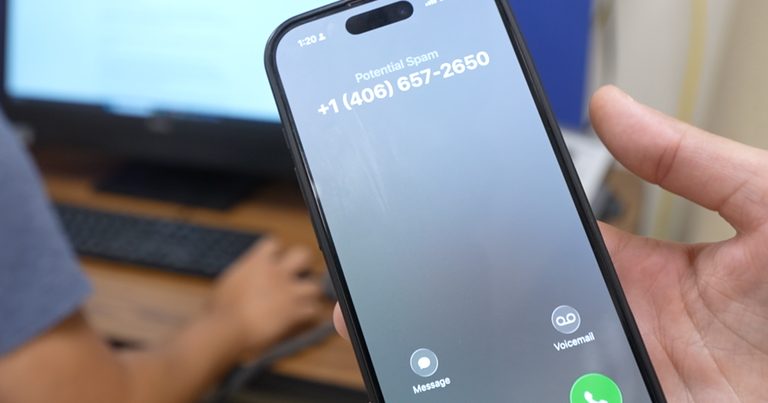
“It was mainly voicemails that we were getting, or we would hit the AI screening,” said MSUB student Lindsey Watson. The technology places a filter between the caller and the intended respondent, often labeling a legitimate research call as potential spam. Gallup notes that these systems typically do not differentiate between marketing calls and calls from survey researchers.
Evidence shows the label matters. Two SSRS studies cited by Gallup found only about one in ten people who saw a spam warning answered the call. For the MSUB team, the result is a need to make twice as many calls to achieve the same number of completed surveys.
Reduced productivity in the classroom
Dr. Hope Dewell Gentry, who oversees the polling class, explained that historically students averaged about two completed interviews per hour. “This year it was one,” she said. When asked if it was taking longer to collect the same amount of data, she replied, “Absolutely. Double.”
The slowdown mirrors national trends. Gallup’s telephone polling response rate fell from 28% in 1997 to 7% in 2017, while Pew Research Center’s rate dropped from 36% in 1997 to just 6% in 2018. Pew specifically identified robocalls, spam warnings, and mis‑flagged survey calls as contributors to the decline, even before AI screening became widespread.
Pollsters adapt to new gatekeepers
To combat the problem, pollsters have begun changing phone numbers frequently to avoid blocks, and many have shifted toward online and mail surveys. “People don’t answer their phones anymore anyway, and that was true even pre‑AI screening,” Dr. Gentry noted. She added that AI screening adds another gatekeeper, with many respondents likely thinking, “Well, I would like fewer spam calls.”
At MSUB, the class is adjusting its methodology. “I was going to be fairly reliant on the online portion of this survey because the phone version was quite a bit less this year than it was last year,” Dr. Gentry said. She is also considering mailed surveys to maintain scientific rigor.
Implications for future polling
While AI call screening helps protect consumers from unwanted calls, it also makes it harder for legitimate pollsters to reach voters. The result is more calls, additional methods, and higher costs to gather accurate public opinion data.
For students learning the craft of political polling, the experience underscores the evolving challenges of measuring voter sentiment in a digital age. As technology continues to filter communications, pollsters will need to innovate further to ensure that the voices of Montanans are still heard.
Original reporting: KTVQ Q2 Billings (local) — read the source article.