A recent Supreme Court ruling has ended legal protections for migrants fleeing violence and natural disasters in Haiti and Syria, leaving hundreds of thousands of people, including many in the United States, facing the prospect of deportation. This decision affects approximately 350,000 Haitians who have been granted Temporary Protected Status (TPS), allowing them to live and work in the U.S. legally, though it does not provide a path to citizenship.
Impact on Haitian Communities
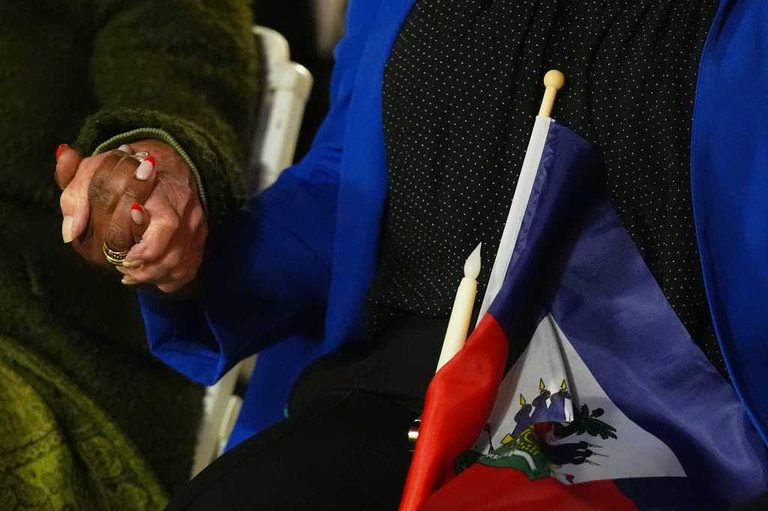
The ruling has sparked fear and uncertainty among Haitian communities across the U.S. Many TPS holders have lived in the U.S. for decades, have U.S.-born children, and are integral to their communities, working in critical roles such as nursing and caregiving. The decision could lead to the separation of families, as parents who are TPS holders may be deported, leaving their U.S.-born children behind.
A 35-year-old nurse in Kentucky, who has four U.S.-born children, expressed her fears, saying she feels like she’s preparing for death, making arrangements for her children’s care in case she is deported. Similarly, a 37-year-old Haitian mother of a 17-month-old baby boy in Florida, who has lived in the U.S. since she was 7, is uncertain about her future and the future of her child, a U.S. citizen.
Background on Temporary Protected Status
Temporary Protected Status was created by Congress in 1990 to prevent the deportation of individuals from countries deemed unsafe due to disasters, civil war, or other violence. It allows recipients to work legally in the U.S. but does not offer a pathway to citizenship. The status can be renewed in increments of up to 18 months if the Secretary of Homeland Security determines that conditions in the home country remain unsafe for return.
The Biden administration had expanded the number of people covered by TPS, but the Trump administration sought to end these protections, arguing that they were meant to be temporary and that the countries are now safe. The Supreme Court’s decision supports the Trump administration’s stance, potentially affecting not just Haitians and Syrians but also individuals from 17 other countries who are protected under TPS.
Community leaders, such as Viles Dorsainvil, the executive director of the Haitian Community Help and Support Center in Springfield, Ohio, are working to keep people calm and informed, advising them not to panic and to seek legal advice. The community has faced intense pressure and misinformation, including fictional rumors spread during the 2024 campaign that Haitians in Ohio were involved in eating people’s cats and dogs, which have no basis in fact.
The long-term care industry, which heavily relies on immigrant workers, including those from Haiti, could be particularly affected by the ruling, as many TPS holders work in caregiving roles. The uncertainty and fear among these workers could lead to significant disruptions in care for vulnerable populations, including the disabled and elderly.
Original reporting: 40/29 / KHBS (NW Arkansas) — read the source article.