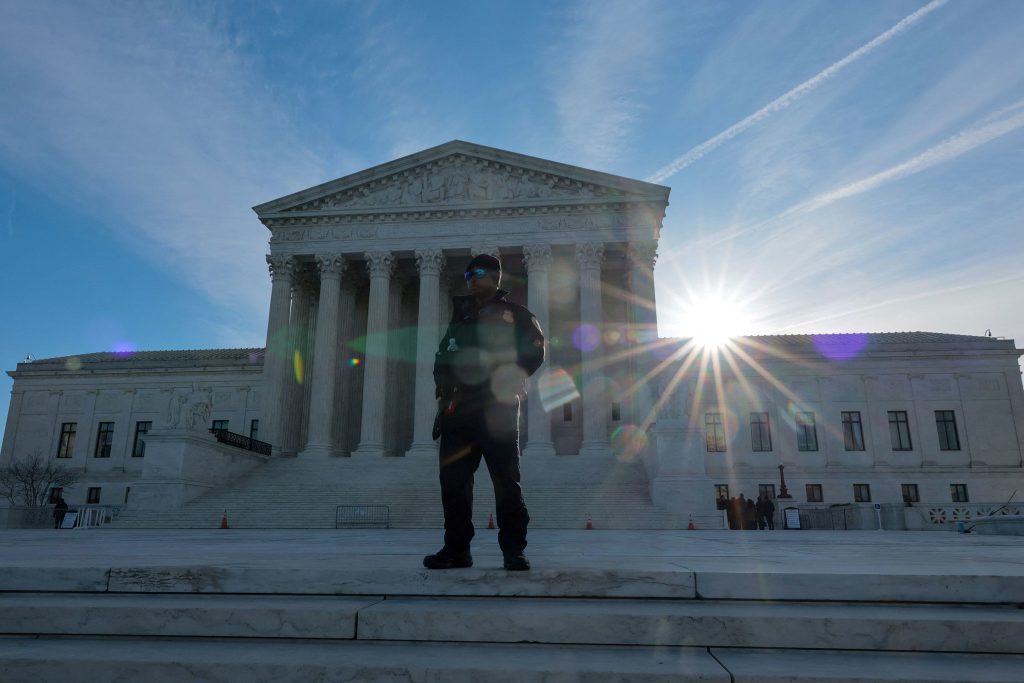
The US Supreme Court on Monday declined to hear appeals from several major drugmakers over a federal program that forces negotiations with Medicare on prices for certain top-selling medicines, a move covered by John Fritze and Tami Luhby of CNN and watched closely in Washington and across the country. The ruling leaves intact lower-court decisions and clears the way for the federal government to press forward with a plan that officials say will save taxpayers and the government billions. The decision touches on law, markets, and patient access, and it has immediate budgetary and political implications for policymakers and businesses alike.
The court’s refusal to take these cases is a big moment for federal authority and for how prescription drug prices are set. Drugmakers argued the program oversteps constitutional limits and cripples their ability to negotiate and invest in new medicines. With the appeals dropped, the program that requires price talks between the government and manufacturers is allowed to move forward, at least for now.
Republicans who follow this closely see danger in letting a broad federal bargaining scheme dictate prices for groundbreaking therapies. The conservative concern is simple and practical: when government sets the terms and squeezes profits, companies have less incentive to take financial risks needed to develop new drugs. That affects future treatments and the entrepreneurial ecosystem that has delivered decades of medical progress.
Supporters of the program paint it as a straightforward way to rein in costs and protect taxpayers. Critics counter that short-term savings could come at the cost of long-term innovation and choice. Both sides trumpet numbers and projections, but the real test will be how manufacturers respond, whether they alter launch strategies, and how patients experience access to their medicines.
The decision also raises questions about separation of powers and the proper role of courts. Those who opposed the drugmakers’ appeals argued that the courts should not be in the business of rewriting statutes that Congress passed. Opponents of the program argue the opposite, saying judges should protect companies from a government that interferes in private contracts and market incentives.
In the halls of Congress, expect renewed political theater. Lawmakers will use this outcome to press their cases: some will demand faster action to lower costs and praise the government for taking the lead, while others will call for legislative fixes to shield industry and safeguard innovation. This ruling hands both parties talking points as they shape next moves during budget debates and committee hearings.
For patients, the immediate effect is likely to be mixed. There may be price reductions for certain drugs over time, which could ease out-of-pocket burdens for some Medicare beneficiaries. At the same time, if companies respond by delaying launches or pulling certain products from the market, patients could face fewer options or slower access to new therapies.
The pharmaceutical industry must now decide how to adapt. Some companies may engage vigorously in the negotiation process, seeking favorable deals and trying to protect blockbuster revenues. Others may shift investment priorities, focusing on niche drugs or overseas markets where price pressure is less intense. That rebalancing could reshape where and how innovation happens.
Regulators and administrators will also be under pressure to implement the negotiation framework efficiently and transparently. If the process looks fair and delivers real savings without crippling supply, it could gain public support. If it seems heavy-handed or if unintended consequences emerge, critics will amplify concerns about government micromanagement of a vital industry.
This moment highlights the tension between cost containment and preserving a system that has produced major medical advances. The practical stakes are high, from federal budgets to venture capital flows to patient outcomes. Lawmakers, industry leaders, and citizens will all watch how the negotiation program unfolds now that the Supreme Court has stepped aside.
Whatever the next steps, this is now a policy story as much as it is a legal one, and it will play out in boardrooms, hospitals, and Capitol Hill offices. Expect hearings, legislative skirmishes, and public campaigns as both sides try to shape the narrative. The decision matters, and its real consequences will emerge over months and years, not in a single headline.