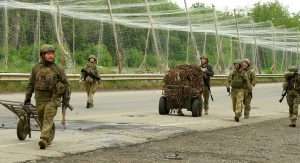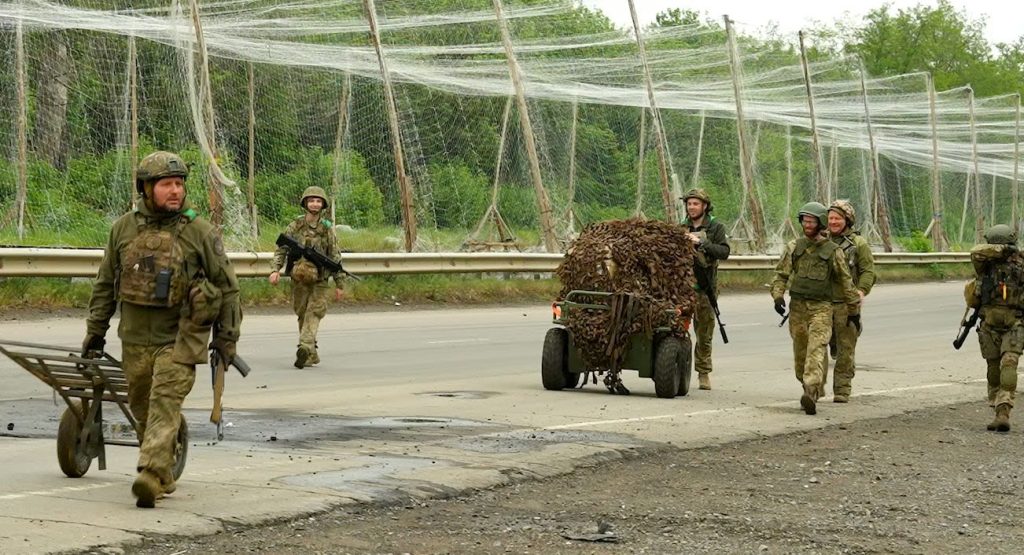
The stretch of road between Druzhkivka and Kostyantynivka in eastern Ukraine, nicknamed the “Road of Life”, is a grim, vital artery. It carries food, fuel, ammunition and hope to units holding the line amid constant attacks and drone surveillance. Men and machines move along scarred asphalt that has been turned into a laboratory of improvisation and courage.
The pavement itself tells the story. Pockmarks from shelling and burn marks from vehicles destroyed in place cross the lane, and netting is strung over sections to mask convoys from overhead eyes. Those visuals are stark, but they do not capture how much depends on this single strip of asphalt for units dug into the closest front lines.
Logistics here is not textbook planning, it is hard-earned experience. Drivers and engineers work in short windows between strikes, patching vehicles, siphoning fuel and transferring supplies to smaller vehicles when bigger trucks cannot risk the road. Some deliveries arrive via robotic carriers, remote platforms that limit human exposure and keep essentials moving when the danger is highest.
The risk is constant. Artillery and rockets aim to sever that lifeline, and small, precise drone strikes can wreck a convoy in moments. Troops who know the route by memory describe nights when the road looks like a battlefield intended to be forgotten, yet every run keeps another unit alive and another defensive position operational.
From a policy angle, the scene demands clarity and resolve. There is no virtue in half measures; Ukraine needs reliable systems that match the enemy’s tactics, including counter-drone gear, electronic warfare and rugged resupply solutions. Supporting those on the front with durable, battle-tested equipment is not charity, it is strategic necessity.
On the ground, the improvisation is almost dignified in its rawness. Mechanics jury-rig panels, crews replace blown drive shafts in the open, and radio operators coordinate convoys under fire. Local civilians who remain help where they can, moving caches to safer dead drops and offering shelter for workers during sudden barrages.
The technical innovations are practical and urgent rather than futuristic. Netting to obscure movement, smoke to mask silhouettes, and small autonomous carriers reduce exposure for drivers and stretch scarce manpower. Meanwhile, Ukrainian units adapt tactics constantly: staggered departures, decoy convoys and last-minute reroutes to make the most of limited advantages.
Every mile of that road is also a moral decision point. Do we supply the tools that keep soldiers alive, or do we wring our hands while the costs mount? The men and women on the “Road of Life” know what works and what does not, and their demands are straightforward: the right gear, enough munitions, and systems that blunt the enemy’s growing drone and artillery threat.
Walking any portion of that route reveals something simple and unsentimental. It is not a monument to heroics, but a working line where thousands of small choices add up to survival. The asphalt is scarred, the vehicles are charred, and the people moving along it keep doing what is necessary to hold ground and keep fighting another day.